

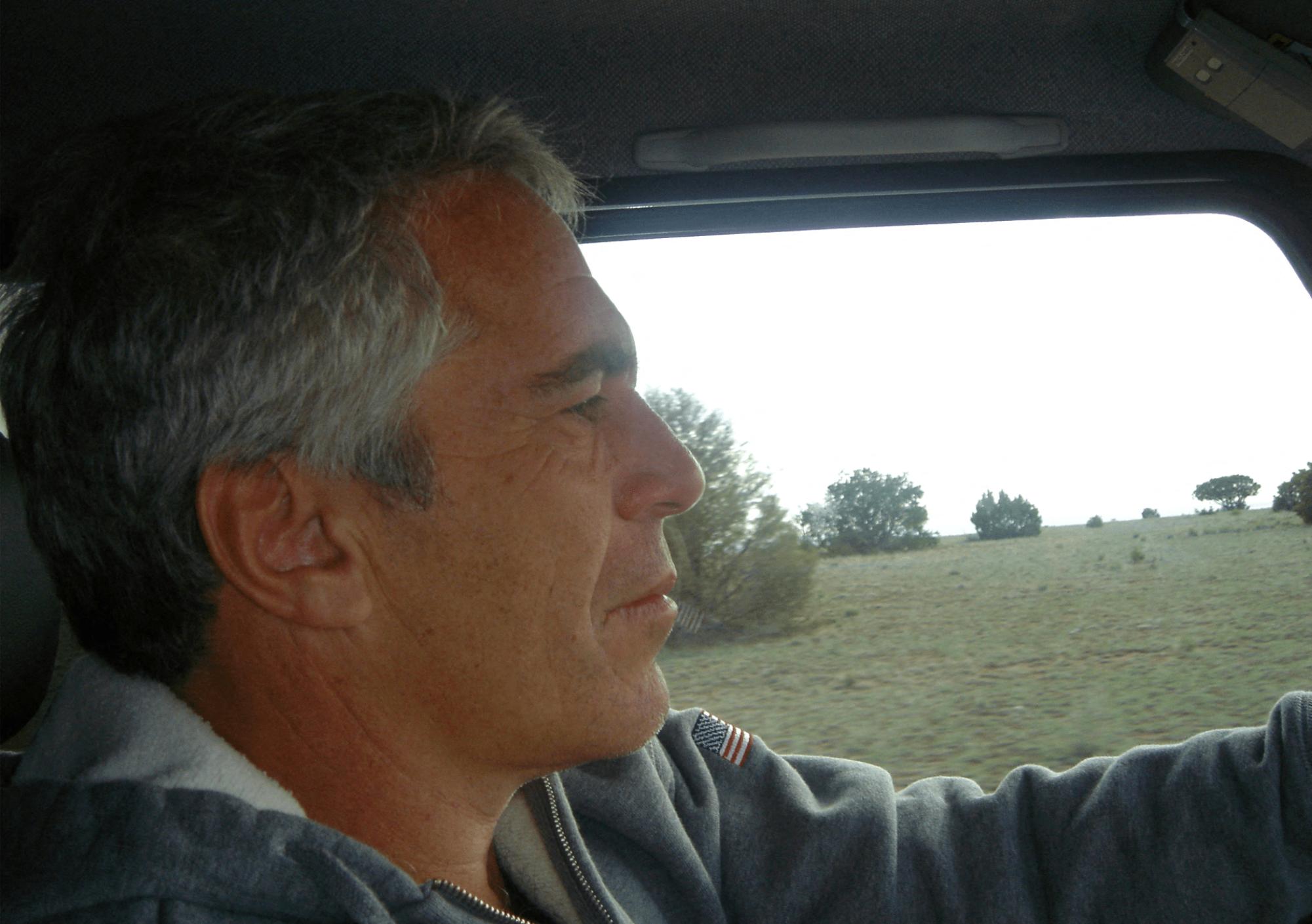
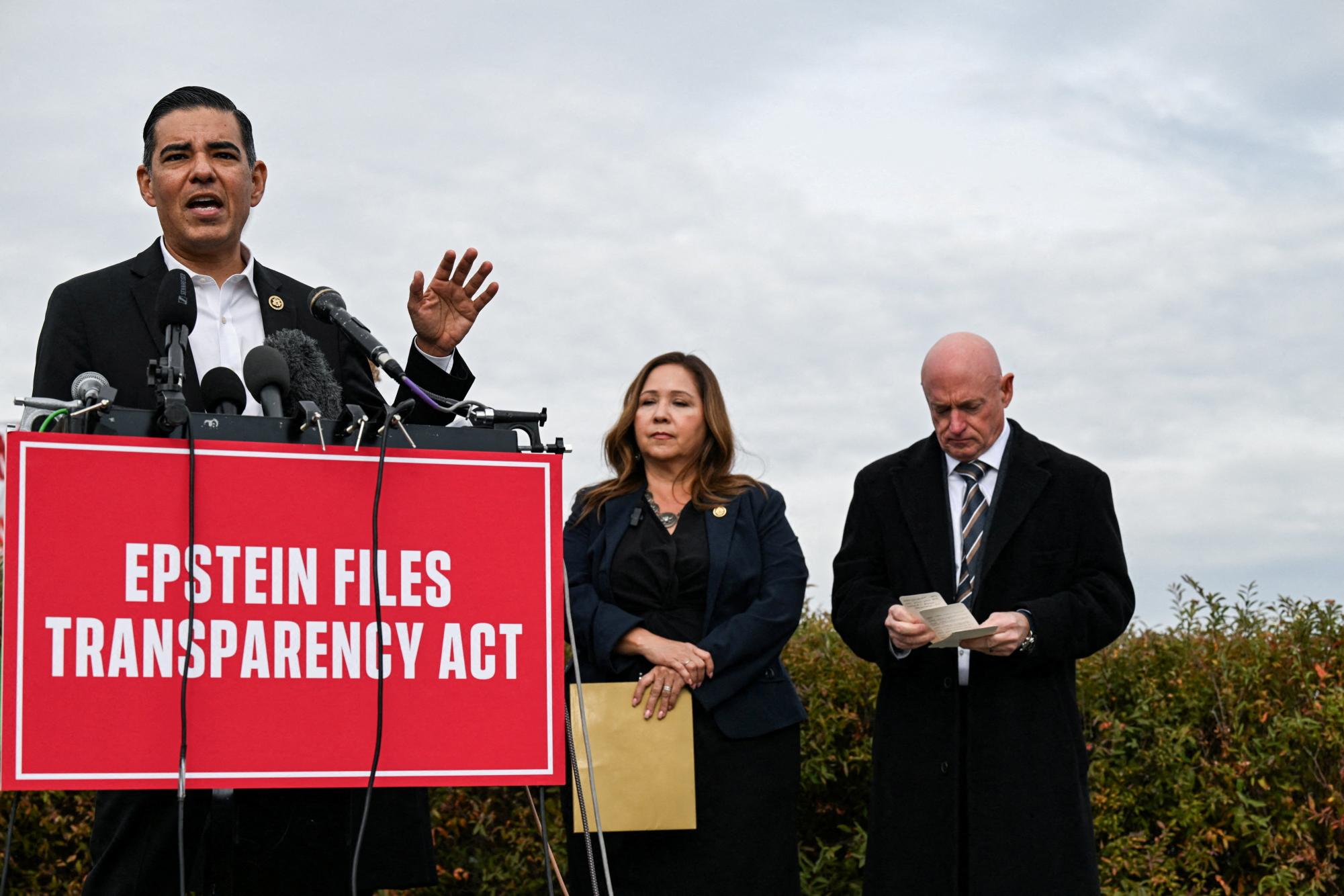
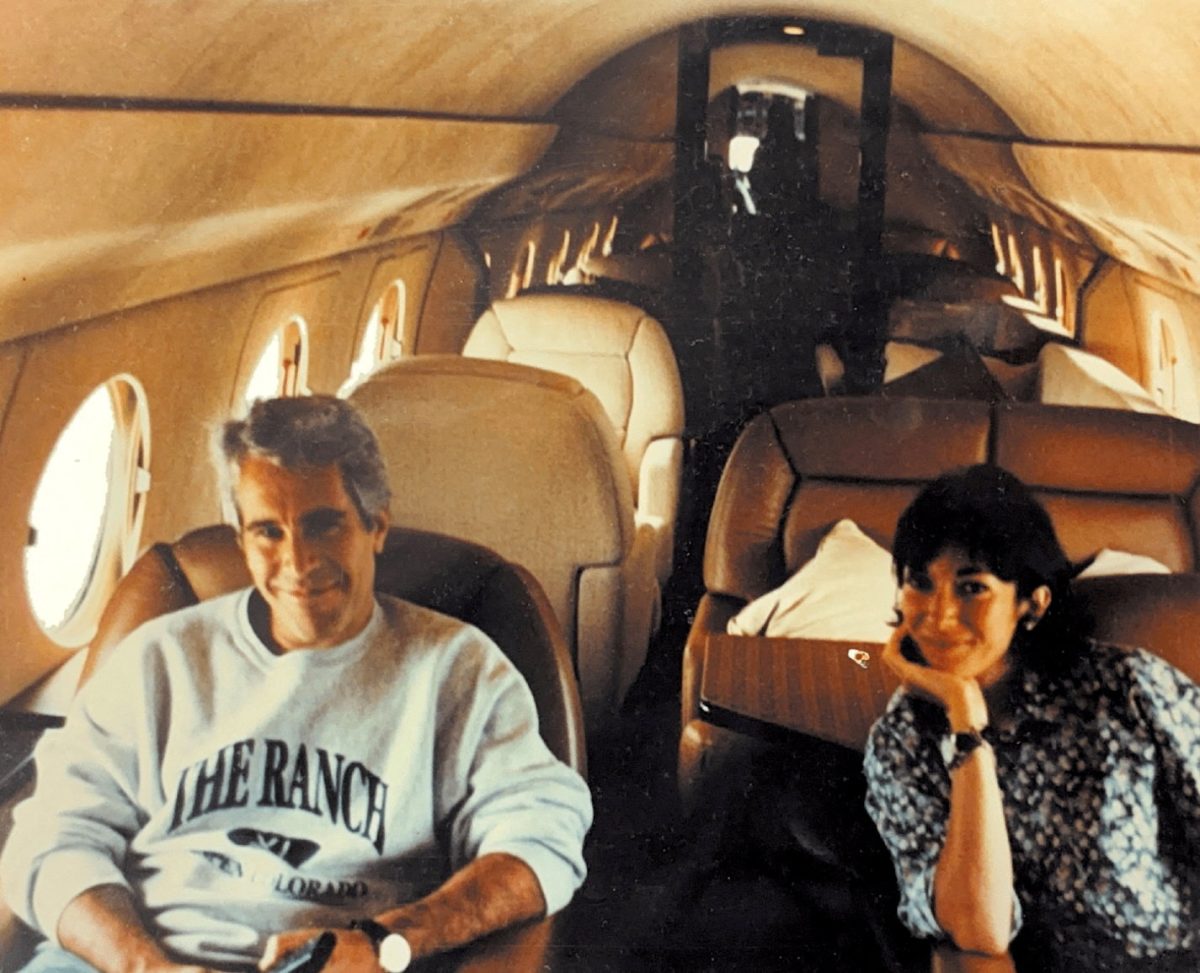
Jeffrey Epstein was a financier. He managed money for wealthy clients, the most publicly known of which was Leslie Wexner, former CEO of Victoria’s Secret, a lingerie company. Epstein owned properties in New York, Florida, the U.S Virgin Islands, New Mexico, Ohio, and even Paris, France. Many of his friends and business associates were rich and famous, including major politicians like former President Bill Clinton and President Donald Trump. He also had ties to foreign leaders.
In November 2018, an investigative reporter for the Miami Herald, Julie K. Brown, published a three-part series titled “Perversion of Justice” which offered more insight into the details of Jeffrey Epstein’s criminal activity.
The articles described how Epstein received preferential treatment from law enforcement, avoiding years of jail time for trafficking young girls while the victims were given next-to-no opportunity to challenge him in criminal court.
In 2005, Epstein had been investigated by Palm Beach police after a high school girl reported being molested by him. Police soon discovered that Epstein had an entire system for recruiting and abusing girls at his Palm Beach residence. Girls would be scouted and offered $100, $200, $300 to give a wealthy man a massage. Once they arrived at Epstein’s estate and were taken to a room with a massage table, they would give him a massage, only for the encounter to escalate. They were pressured into sexual acts, and discouraged from reporting the incidents or disclosing their age. Some girls, if hesitant to comply, were promised more money if they recruited someone else. Police identified more than 30 possible victims of sex crimes. Many described similar details from Epstein’s Palm Beach mansion, such as a pink couch, which were validated by findings from a police search.
By 2006, the case was referred to a state grand jury, a jury convened to determine whether charges should be brought. The state grand jury, which only spoke to two witnesses, issued an indictment of one count of solicitation of prostitution. After the Palm Beach police chief pressured the FBI to investigate the case, a federal investigation into possible child prostitution began. Interviews spanned New York, Florida, and New Mexico. The investigation found similar incidents of pressure and monetary enticement at various other properties, with more underage girls.
In 2007, the U.S. Attorney’s Office prepared a 53-page indictment. The exact indictment was never released, and never issued. Instead, federal prosecutors negotiated with Epstein’s legal team. After months of emails, calls, and meetings, Epstein agreed to a non-prosecution agreement, through which he would plead guilty to state charges of solicitation of prostitution and solicitation of prostitution with a minor under the age of 18. He would be jailed for 18 months, after which he would face a year of house arrest. Additionally, he would have to register as a convicted sex offender twice a year in Florida.
The prosecutors, including then U.S. Attorney Alexander Acosta, made a deal with Epstein’s lawyers to keep the agreement quiet, and not notify nor give opportunity for representation to the victims of Epstein’s crimes. The extent of Epstein’s criminal activities was then never fully communicated, nor the magnitude of preferential behavior he received in his initial charges released to the public.
It was only in 2019, following repeated coverage from Brown and other reporters, that Epstein was arrested in New York. He was charged on July 6, 2019 with sex trafficking of minors and conspiracy to commit sex trafficking of minors.
Epstein was never sentenced, however, as he was found hanged in his cell on Aug. 10, 2019, only two days after signing a new will. Unusual circumstances and failures on behalf of prison officials have drawn both institutional scrutiny and raised conspiracy theories. Repeated investigations into his death have concluded he did commit suicide, but also indicate that prison officials failed to follow proper protocols during his imprisonment.
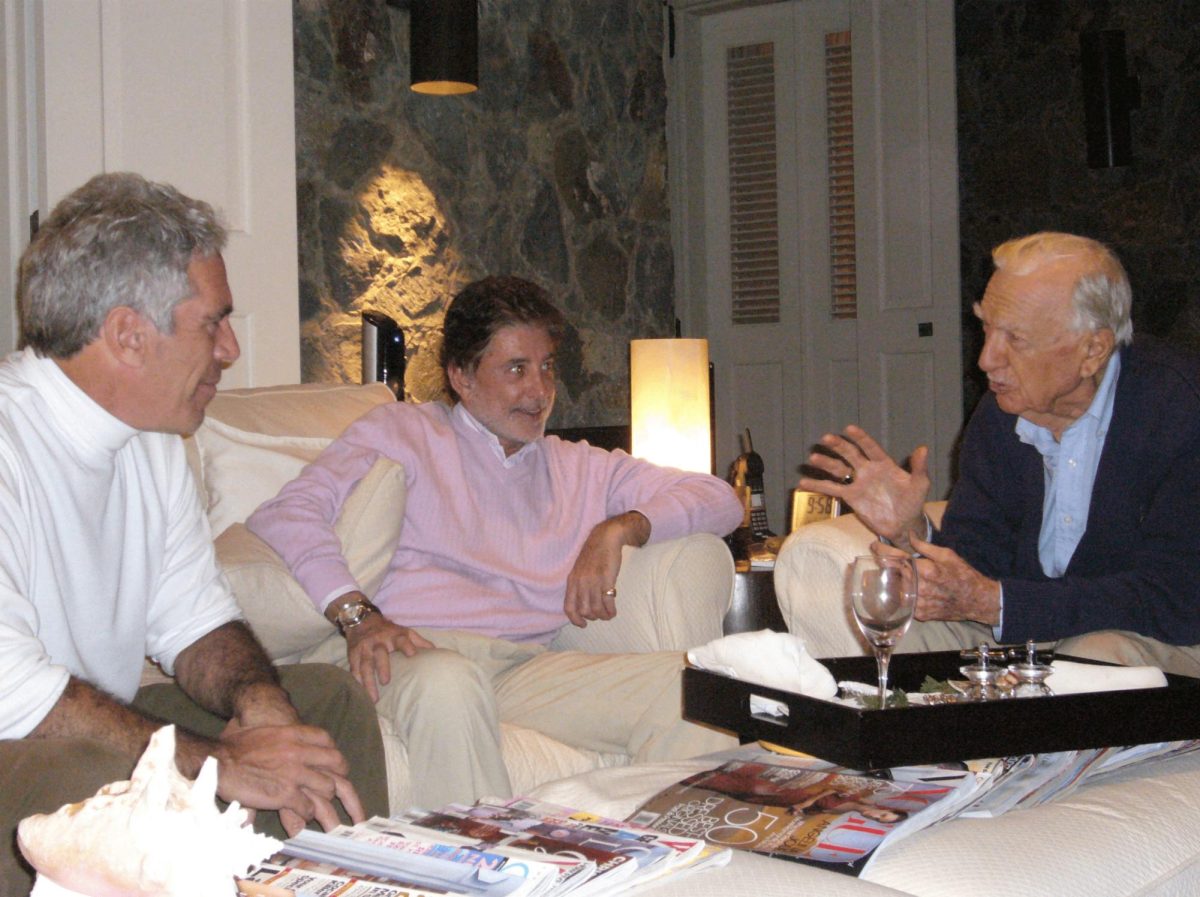
Alexander Acosta, a U.S. attorney during the initial Palm Beach investigations, was President Trump’s Secretary of Labor during his first term. After the publication of “Perversion of Justice” and repeated pressure, he resigned. In June of this year, Acosta was appointed to Newsmax’s Board of Directors as Audit Committee Chair.
Ghislaine Maxwell, Epstein’s former girlfriend and co-conspirator, was sentenced to 20 years in prison for sex trafficking and related counts in 2022. After interviews with Deputy Attorney General Todd Blanche, Maxwell was transferred from a low-security prison in Florida to a minimum-security prison in Texas, where she now resides. Maxwell filed a habeas petition last December in an attempt to challenge her conviction. She was summoned to speak before the House Oversight Committee, but refused to answer any questions unless President Trump pardoned her charges.
Andrew Mountbatten-Windsor, a member of the British royal family, was stripped of his titles for his relationship with Epstein. Mountbatten-Windsor was arrested on Feb. 19 under suspicion of misconduct in public office, but later released with no charges while investigation continues. Though the police has not made the reasoning for the arrest publicly known, Mountbatten-Windsor served as a trade envoy for the UK from 2001 to 2011, at which time he stepped down because of his connections to Epstein.
Several other politicians in Europe, including other leaders in Britain and leaders in Norway, have resigned or been criminally charged for their connections to Epstein.
Former President Bill Clinton and former Secretary of State Hillary Clinton were called to testify before the House Oversight Committee on Feb. 26 and 27 in a deposition to discuss their connections to Epstein. Bill Clinton flew on Epstein’s plane several times. These flights were part of the Clinton Global Initiative. These flights were before Epstein pleaded guilty to soliciting prostitution from a minor in 2008.
Both Clintons affirmed they had no knowledge of Epstein’s crimes. Bill Clinton answered questions about a photo included in the released files of him in a hot tub beside a redacted individual. He said he did not know who the redacted individual was and that the photo was taken during a work trip in a hotel.

Women abused and trafficked by Epstein have sought justice, transparency, and recompense for years. After Epstein avoided severe consequences for charges in Palm Beach through a nonprosecution agreement, victims filed cases claiming the agreement was in violation of the Criminal Victims Rights Act, as they had not been informed of the agreement. But the agreement is not considered illegal, as Epstein was never convicted of any crime, and thus the government was not obligated to notify victims. Civil lawsuits against Epstein and Maxwell resulted in lengthy legal battles, sometimes ending with settlements including confidential terms, or dismissal.
Several files released by the DOJ leaked the names of women who had been protected for years, despite the DOJ prolonging the release of files to perform all necessary redactions to protect those women. Photos of naked women were published in collections of files, unredacted.
In a hearing with the House Judiciary Committee on Feb. 11, Attorney General Pam Bondi was asked if she would give the victims an apology for the DOJ’s handling of the case. Bondi did not apologize. The House Oversight Committee voted to subpoena Bondi on March 4, effectively summoning her for a closed-door meeting with the committee. No date has yet been established for the meeting.
More files released on March 3 after The Wall Street Journal published an analysis finding more than 40,000 documents were missing from existing releases. The released documents include an unsubstantiated account of sexual assault against President Donald Trump. The DOJ has reiterated several times that the allegations within the files are false.
In a statement released February by the Office of Public Affairs within the DOJ, FBI Director Kash Patel described the file releases thus far as news acts of transparency for the government.
“There will be no cover-ups, no missing documents, and no stone left unturned — and anyone from the prior or current Bureau who undermines this will be swiftly pursued,” Patel said.
This article was initially published on March 13, 2026 and will be updated as more relevant information is released.