









































Menstrual products have not been consistently available to young women in the bathrooms here at West Po. Whether the machine is broken, empty or jammed, girls can’t get the resources they need there. The Code of Virginia requires schools to have pads and tampons available at all times. Even though West Po supplies some products at the clinic, they aren’t easily accessible.
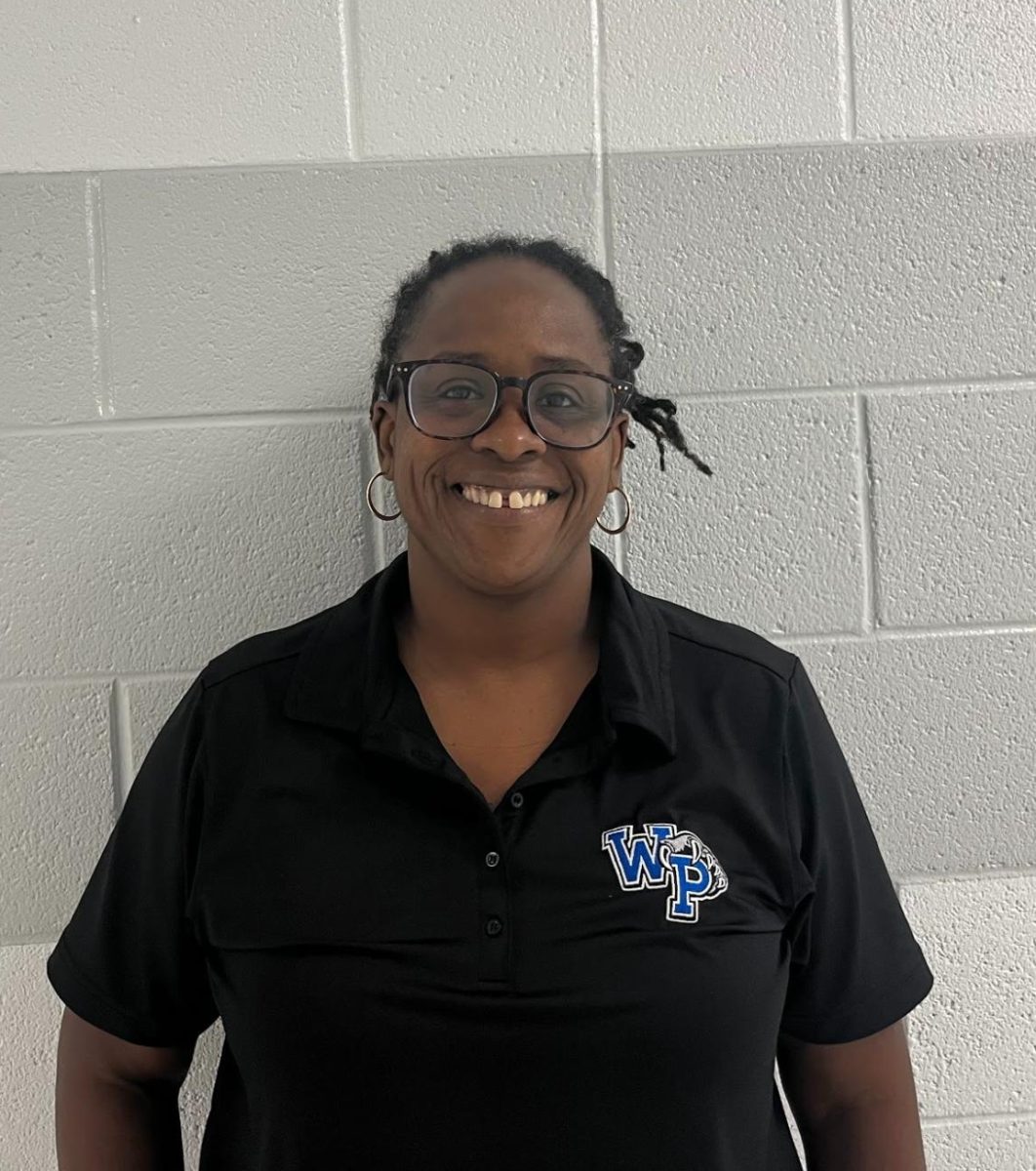
“I think sometimes it is considered an ‘awkward topic,’ but I think that’s more so because not too many people want to have that conversation,” Ms. Symone Jenkins, the teacher sponsor for the Menstrual Club at West Po, said.
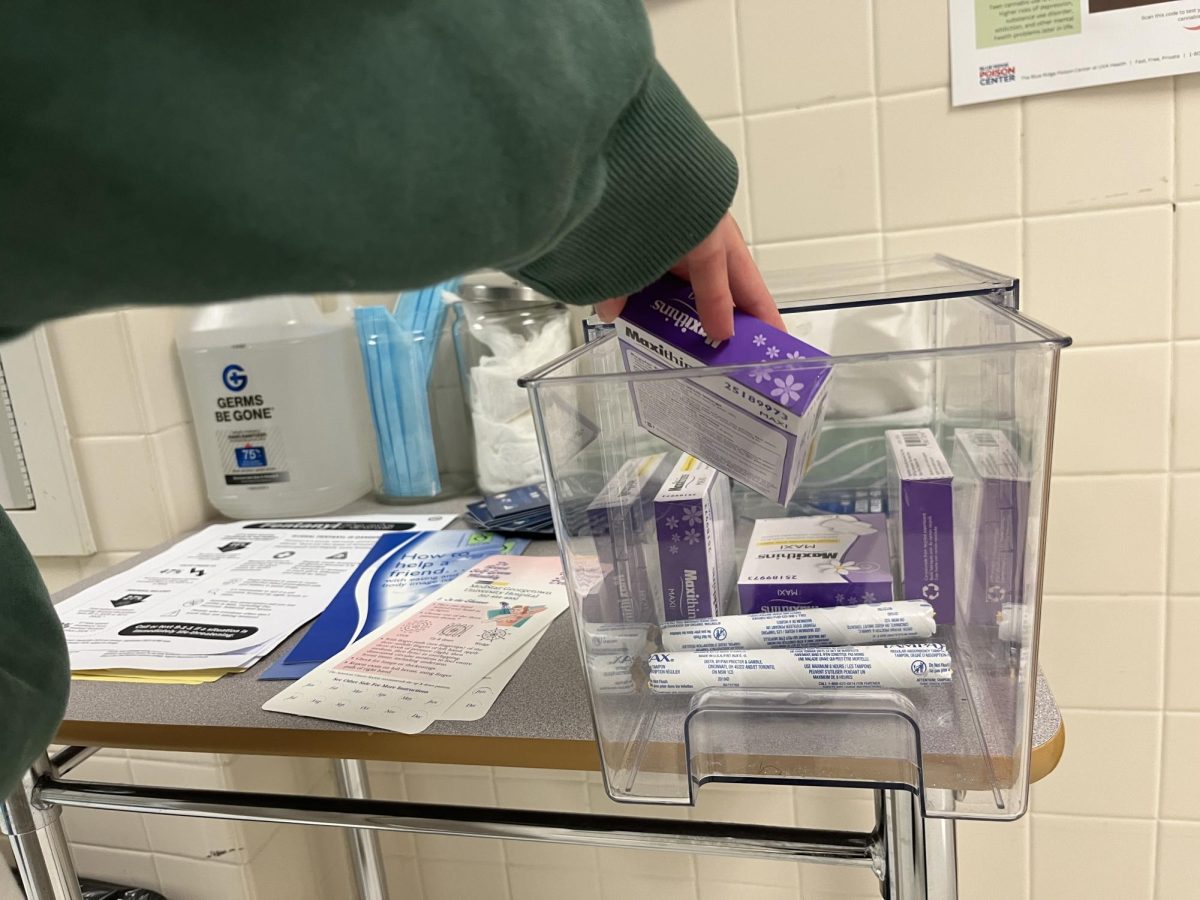
Most dispensers in the girl’s bathrooms are stocked, however, they are often broken or jammed. The only way to access them is to open them fully, which requires a key. Some bathrooms in the school do not even have a dispenser. There are tampons available in a plastic container outside the clinic, but no pads.
While some teachers try to help by keeping supplies in their classrooms, this solution is not always reliable for young women.
“I always have menstrual products to give to students that need it in my classroom, but I do know that there are a bunch of teachers that know that their students are always asking to go to the clinic to get products,” Ms. Jenkins said.
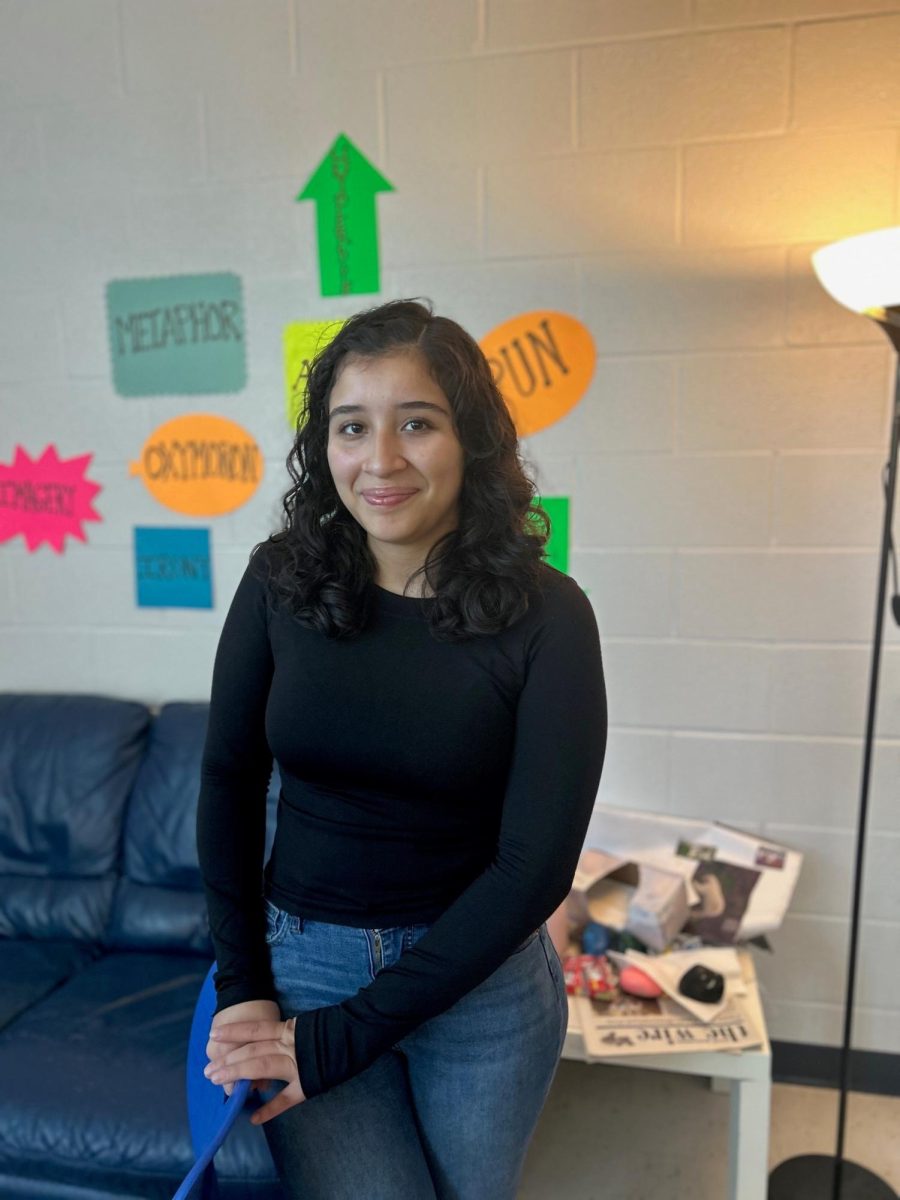
The West Po Menstrual Club, led by senior Addison Friedman, is a student-driven club with goals to make period products more available at West Po and raise awareness about menstrual cycles.
“I think our school’s lack of menstrual products in bathrooms is a real issue,” Friedman said. “It overlooks a basic need that affects many students.”
These concerns reflect a problem that these young women face on a daily basis.
“…I’ve definitely seen students struggle when they don’t have access to menstrual products,” Friedman added. “It can be stressful, embarrassing and distracting.”
Products are not easily available in bathrooms, so many young women are forced to find alternative options that can feel awkward and inconvenient.
“Right now, if a student needs help, they usually have to go to the nurse, a teacher or a friend,” Friedman, explained.
Staff also recognize this issue and acknowledge that improvements are needed.
“I believe there’s always room for improvement,” Ms. Jenkins said. “As a school, we need to do better with more access to menstrual products.”
“I would love to have more menstrual products in the bathroom,” she said.
As helpful as it would be, there is some hesitation in providing these. Some girls in the bathrooms misuse the products provided.
“Part of the problem is they get vandalized and abused,” Ms. Jessica Statz, principal, said.
Whether it’s throwing them around, sticking them in places or just trashing them, this misuse is wasteful and makes it hard to ensure the products are there when young women really need them.
Students also agree that making products more accessible could have a major impact on the school’s environment.
“Having free menstrual products would make a big difference,” Friedman said. “It would reduce stress and make sure no student feels uncomfortable.”