






































Earlier this year, FCPS updated its policies surrounding student expression, adding a new section to the Regulations and Procedures Governing Freedom of Expression by Students to establish clear procedures for “advocacy activities,” which are broadly identified as demonstrations, walkouts and similar protests. When asked if the change followed typical SR&R revision processes, The Wire was informed that the policy change was a clarification, not a new policy, and thus went through internal review and was minimally reported to the public.
Prior to the addition, assembly-based expression in FCPS followed the same specifications of “Distribution of Materials,” which reiterates what speech is protected in schools according to Supreme Court rulings like Tinker v. Des Moines. In this section, expression cannot “[prevent] the normal and routine conduct of classes and other school activities or normal and routine movement on school premises.”
The new section to the SR&R now states that advocacy activities must take place before or after school. FCPS told The Wire that protests occurring during the school day will be “considered a violation of SR&R expectations regarding attendance and disruption.” The typical consequence for an attendance violation is unexcused absence, but if the level of disruption warrants higher consequences, “restorative or instructional responses” will be applied “where appropriate.”
These new requirements for advocacy activities are worrisome to The Wire, as they limit school administrators’ discretion to permit student organization during non-instructional periods in the school day, such as advisory.
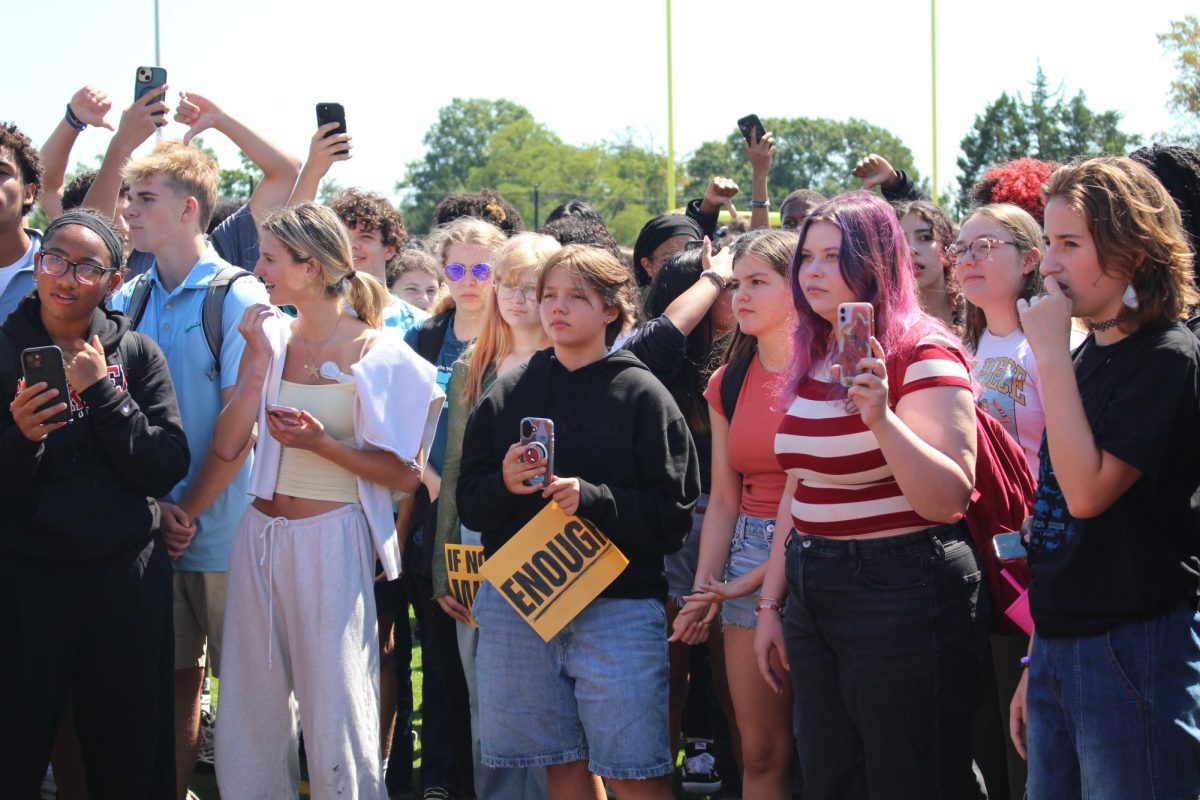
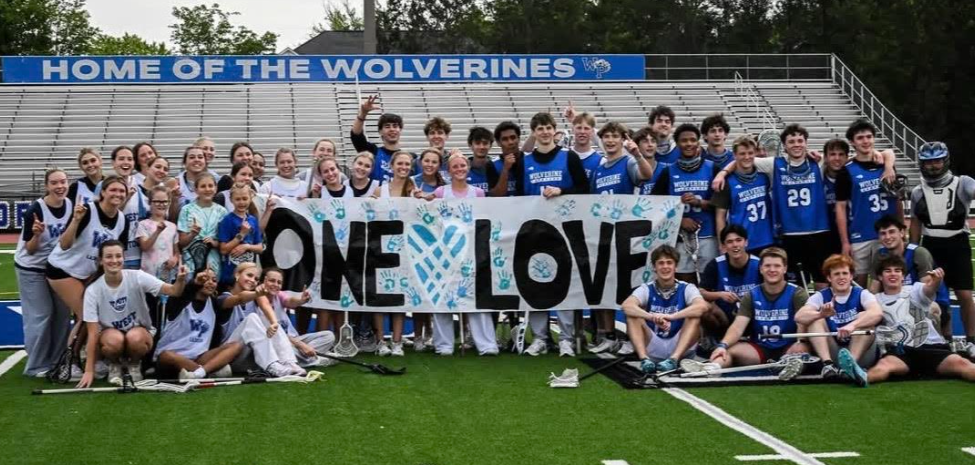
At West Po, several protests have occurred during the school day, including two this year. The first this year, back in September, was organized with Ms. Statz with no issue, and took place during 5th period. The second protest was meant to take place during 3rd period on Feb. 27, but complications between multiple organizing parties caused the protest to occur on Feb. 13, also during 3rd period. Organizers planning the protest for Feb. 27 were told by Ms. Statz that the protest could only take place before or after school, as was the requirement of the SR&R. Neither the organizer for the September protest nor the organizers for the February protest were aware of this new requirement prior to speaking with Ms. Statz, and the September organizer only learned of the change after the fact.
The student organizers’ surprise reflects FCPS’s failure to properly dictate its policies surrounding student expression, and in clarifying its policy, a failure to make the policy clearly known by students.
The Wire recognizes that FCPS has a legal right to limit student expression that interferes with school operations, and that protests during class periods—even periods that cannot present students with new content like return periods—do qualify as disruptive to school operations. Nonetheless, the policy change may send an unintended signal that FCPS does not support student protests, and lead students to believe that participation in protests could prompt disciplinary action far greater than what FCPS actually pursues.
Consequences for violating the expression regulations are, after all, not clearly stated in the direct policy.
Expression rights are a critical part of America, and though the rights afforded to students are limited, they are arguably even more integral to maintaining the authority of the general populace over government entities. When FCPS makes any changes to its handling of student expression, it signals either approval or disapproval of protest among students. In restricting protests to before or after school, FCPS prompts fear of retaliation for students who disobey that stipulation, and has discouraged students from organizing.