











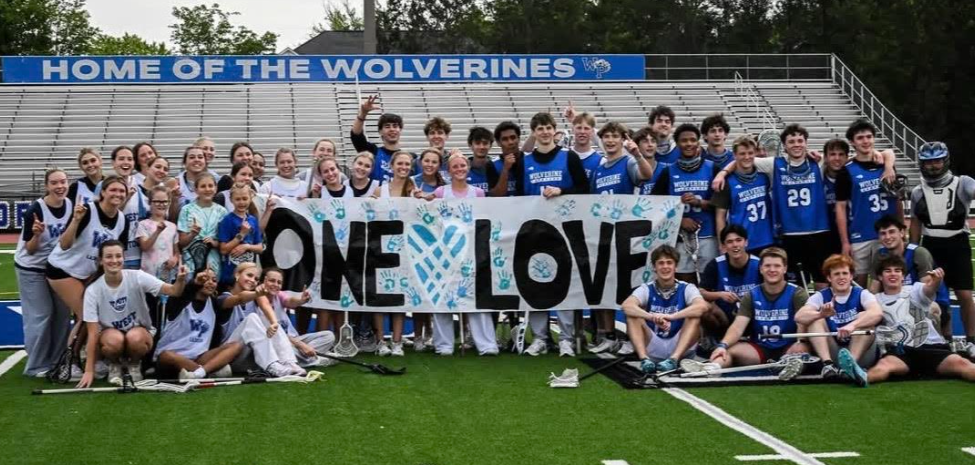































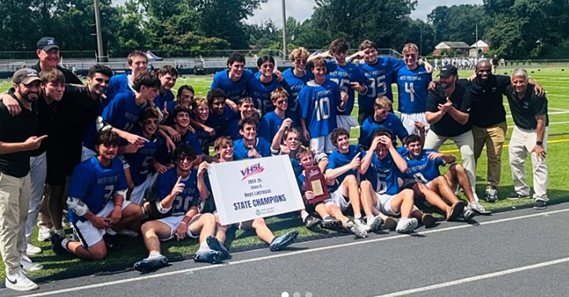
During the West Po Varsity Boys Lacrosse season, once a week the team comes together over food and drinks to hear speeches from guest speakers whose lessons extend far beyond the lacrosse field. Charter Development Coach Jim O’Farrell started, several years ago, what has become one of the program’s most meaningful traditions: weekly character development dinners.
Held on Tuesdays or Thursdays, the dinners bring the team together with guest speakers from different backgrounds and careers. O’Farrell invites people who have influenced his own life to speak with players about leadership, perseverance and success.
“A guest speaker talks to us about characteristics of their life and how we can implement them into ours,” Sean Kovalsky, senior captain, said.
While the lessons vary from week to week, one message has stayed with the team more than any other: “Embrace the process, not the result.”
For Kovalsky, the dinners became a defining part of his high school experience. He said the lessons and relationships built through the program even became “the basis of my college essay,” helping him earn admission to the University of Tennessee.
“Whether we win or lose the games that week, it helps regardless of record,” Kovalsky said. “Win or lose, team bonding always makes our morale go up.”
One speaker stood out above the rest to both Kovalsky and junior Cayden Johnson: Bill Endicott. He is a Vietnam War veteran, Olympic gold medalist and someone who once shook hands with Michael Jordan.For Johnson, one message especially stuck.
“He told us to never give up, and that really stuck with me,” Johnson said. “They want us to have a successful life and use these takeaways and implement them in our lives.”
Johnson said hearing stories from successful people has changed the way he sees the future.
“I think they’re pretty cool, and I love hearing people’s stories,” he said.
The impact, however, is not just personal.
“A lot of team bonding carries onto the field and creates a stronger bond among the team,” Johnson said.
That bond has become one of the program’s biggest strengths, helping players develop leadership, communication and accountability.
“The overall message is to be a leader and do the right thing even when people aren’t watching,” Kovalsky said.