












































Over the course of the 2025-2026 school year, the number of phone confiscations decreased substantially. During the first quarter, 1,726 phones were confiscated. By contrast, fourth quarter confiscation numbers thus far are 323.
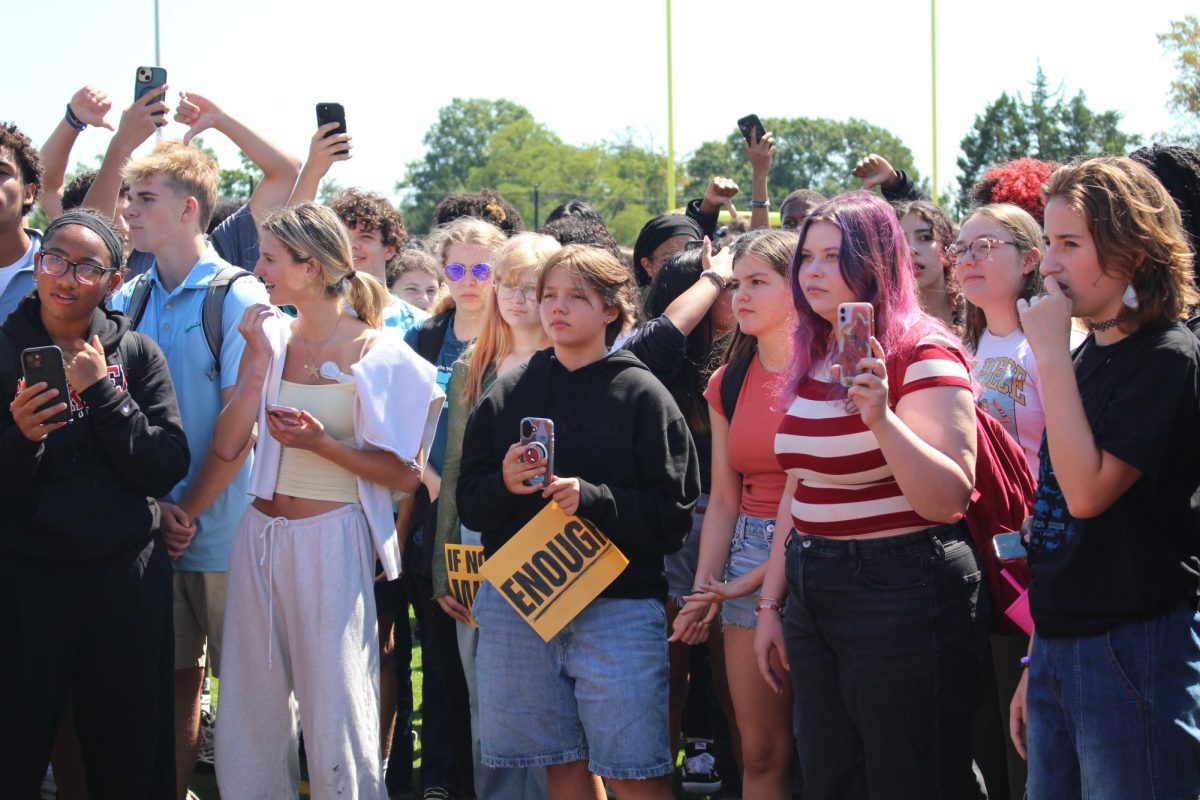
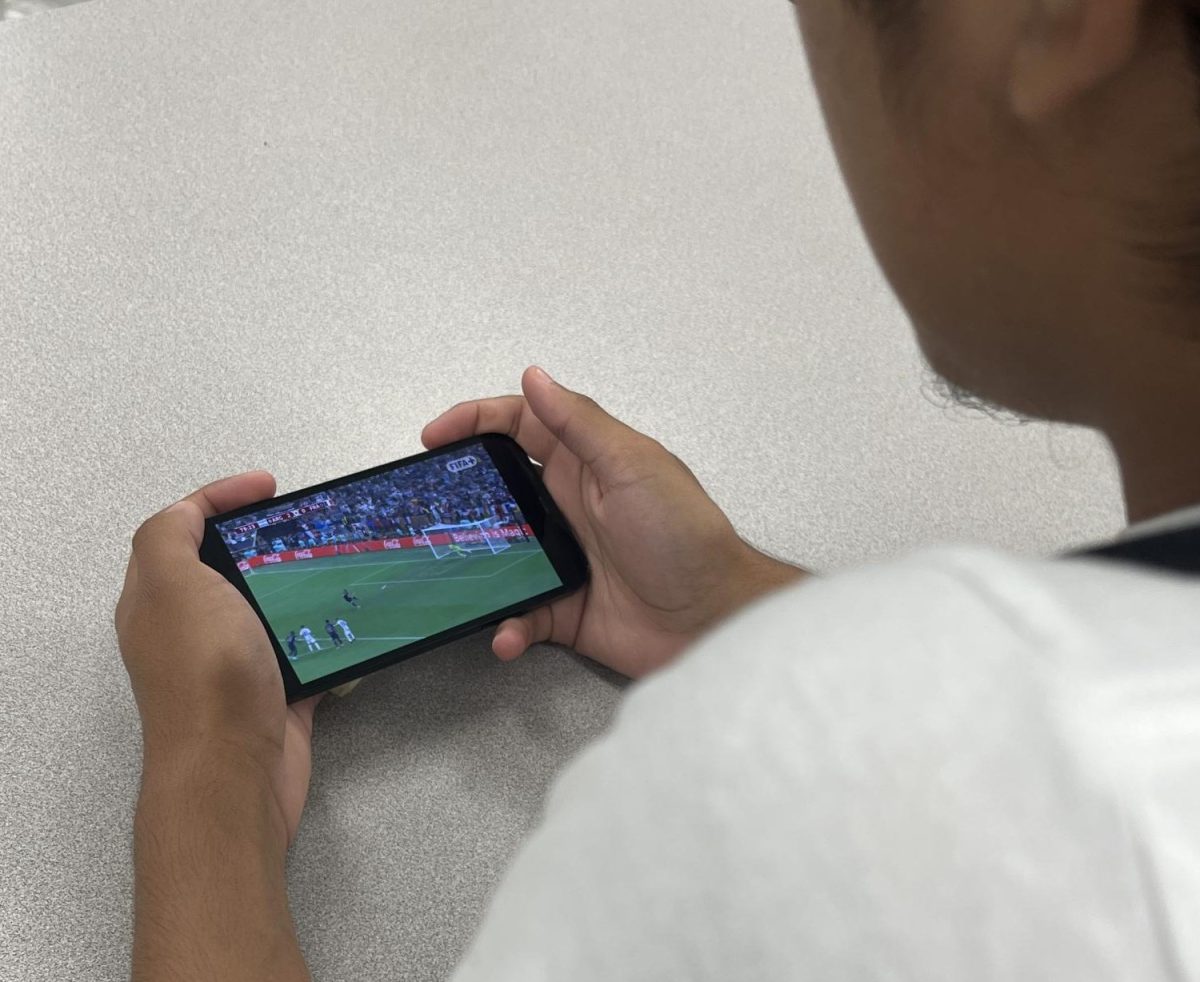
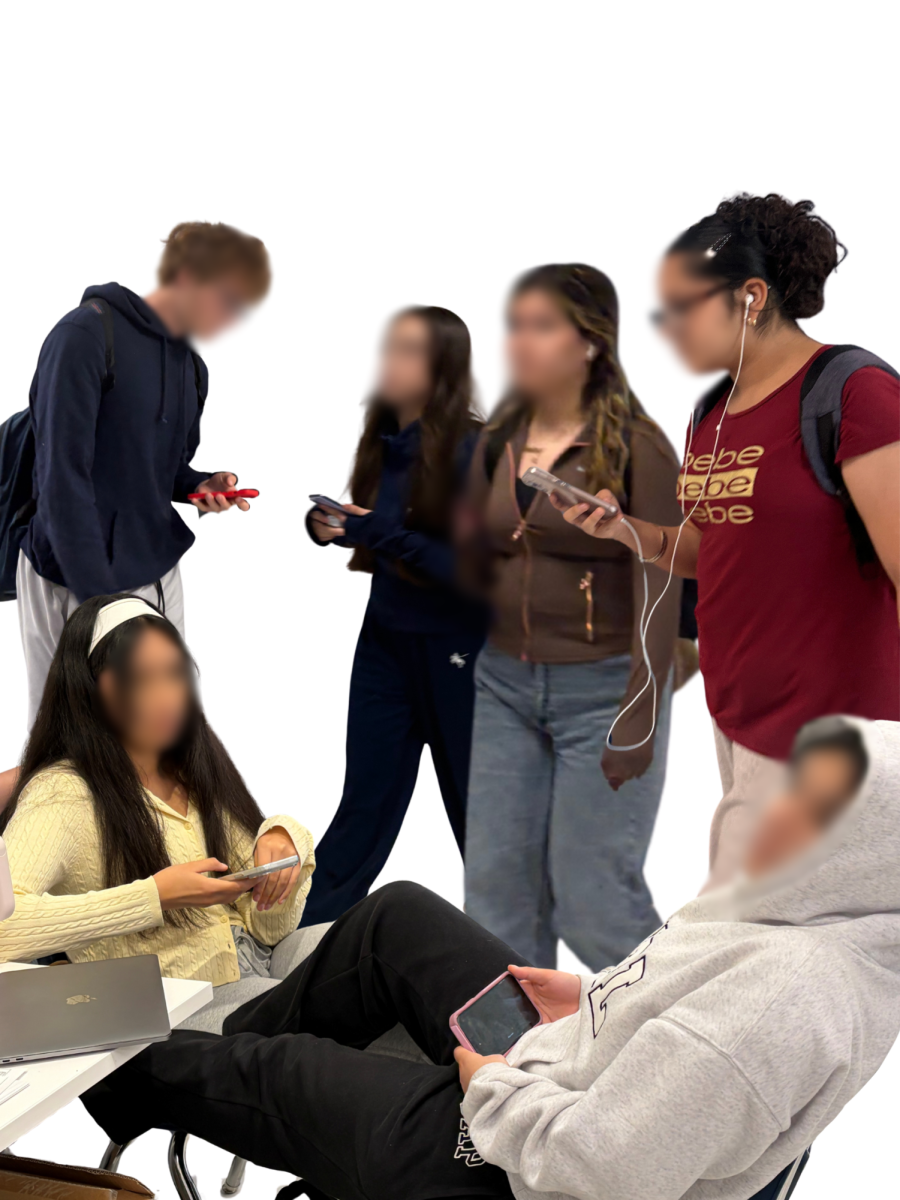
While these numbers could tell the story that fewer students are using phones in classes and the hallways, that is not necessarily the case. Walking through the halls and into classrooms, many students carelessly turn on their phones throughout the school day.
Jackson Wallace, junior, said, “I’ve never been concerned about my phone being confiscated. A lot of teachers don’t enforce it heavily because they don’t want to fill out a whole form. It’s too much.”
While enforcement was strict during the first quarter, it has become nearly nonexistent to the typical observer. Despite the law being signed into place by then-governor Glenn Youngkin restricting students’ use of cell phones at school, students are still using phones. Some teachers have become increasingly frustrated.
Mr. Holloway, an English teacher, said, “Unfortunately, I feel like there has been inconsistent enforcement. Students walk around the halls with them on their person between bells with no worry in the world. It’s kind of pointless when you’ve been asked not to use it and you still walk around with it.”
Since efforts are being made to revise the law in order to enforce it more effectively, it seems that other schools are facing similar issues.
Earlier this year, current Virginia governor Abigail Spanberger signed legislation revising the law, extending enforcement. Spanberger specifically changed the wording of the law from “restricting” cellphones to “prohibiting” cellphones. As a result, phones will now be prohibited during lunch in FCPS. These strengthened bell-to-bell restrictions take effect on July 1, 2026.
With the revised law set to take effect, students have opinions about whether the law is justified or unnecessary, particularly questioning the prohibition of cell phones during lunch and passing periods.
Kate Barber, freshman, said, “I think the ban is a little ridiculous because we’re not learning at lunch. I appreciate how teachers and admin want us to keep our phones away while we’re actively learning, but having them off in the hallways and in the cafeteria is too much.”
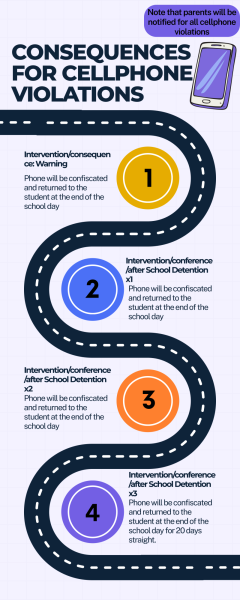
Although enforcement remains low, staff emphasizes that the policy only started this school year. Guidelines are in place regarding the consequences of multiple violations and administrators follow the county’s guidelines.
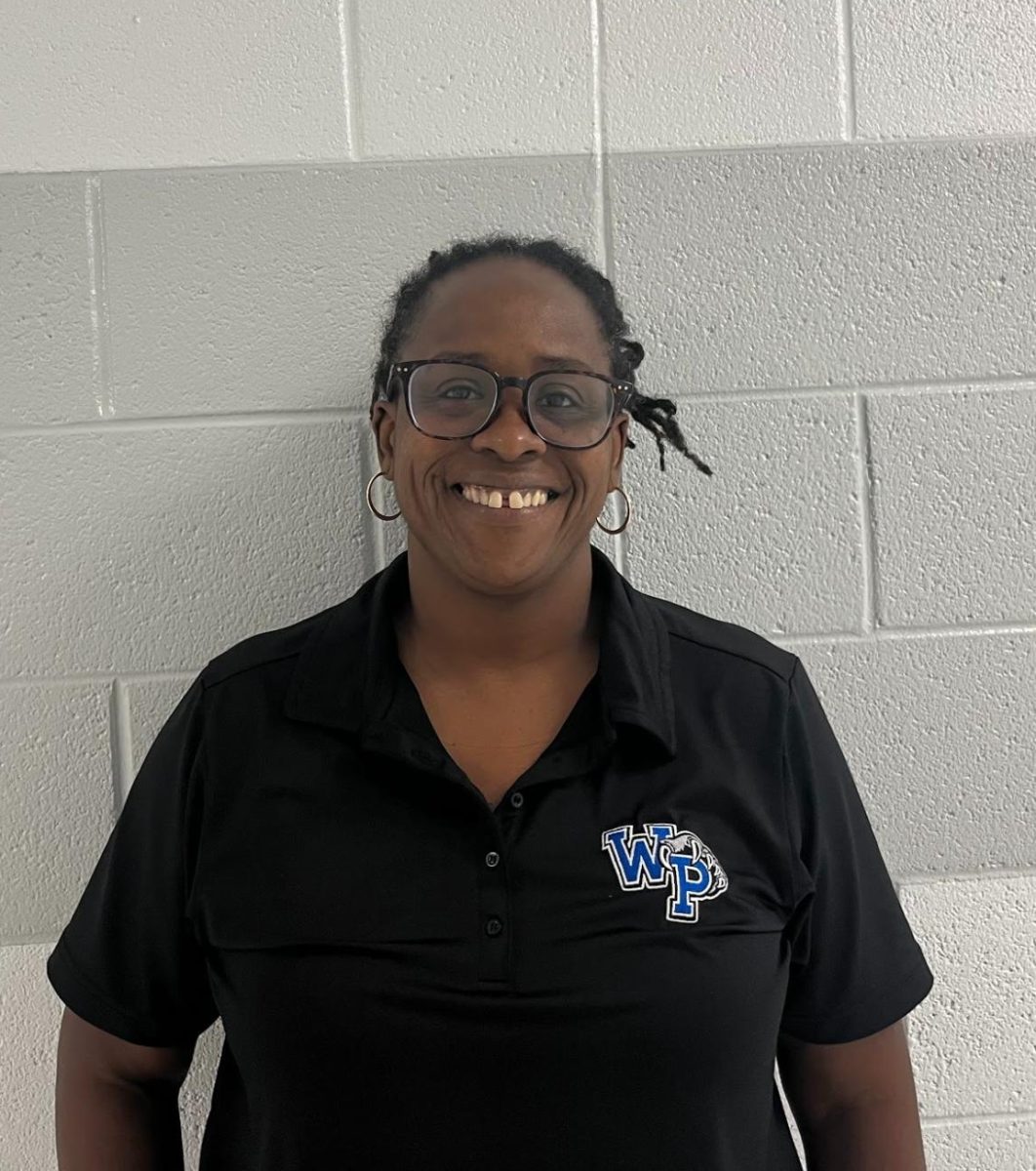
Mr. Ivan Johnson, assistant principal, expressed confidence in the future of the policy, with the goal of creating a distraction-free environment to facilitate learning in the years to come.
“I feel the ban is working, but it is a tough transition. Hopefully next year will be even better because this is only year one, which comes with flaws. There are things the staff and the students can do to make the school better,” he said.