


















































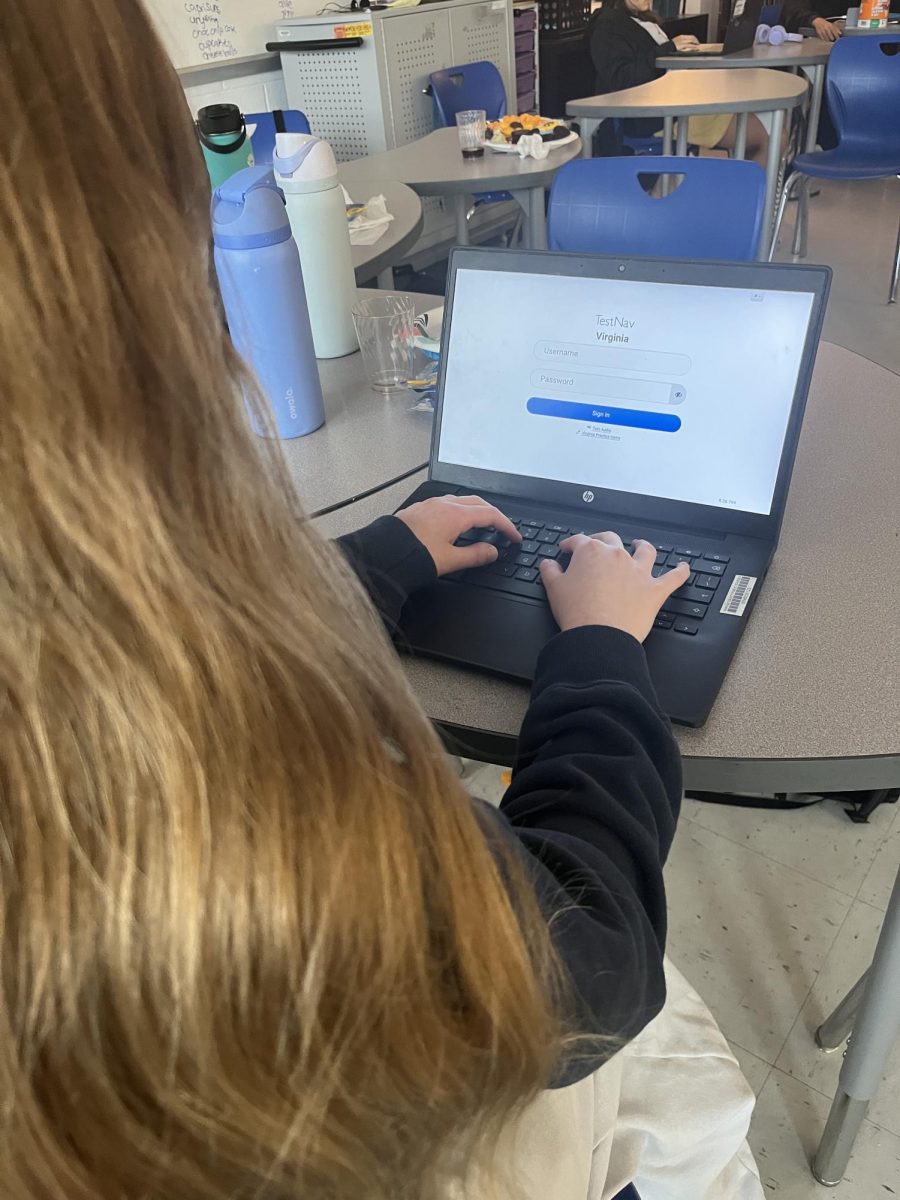
The legislature originally proposed in 2025 that SOL scores should be incorporated into students’ grades, but has now been pushed off to be discussed in one to two years.
The bill HB1957 was proposed by the House of Delegates in Virginia. This bill specifies that any Standards of Learning (SOL) test or approved alternate test must be administered during the final two weeks of school, but for tests of multiple parts, only the last part of the test must be given during that time frame. Schools also can’t add extra end-of-course tests for any SOL subject. Plus, the score from these tests has to count for at least 10% of the student’s final grade in the class.
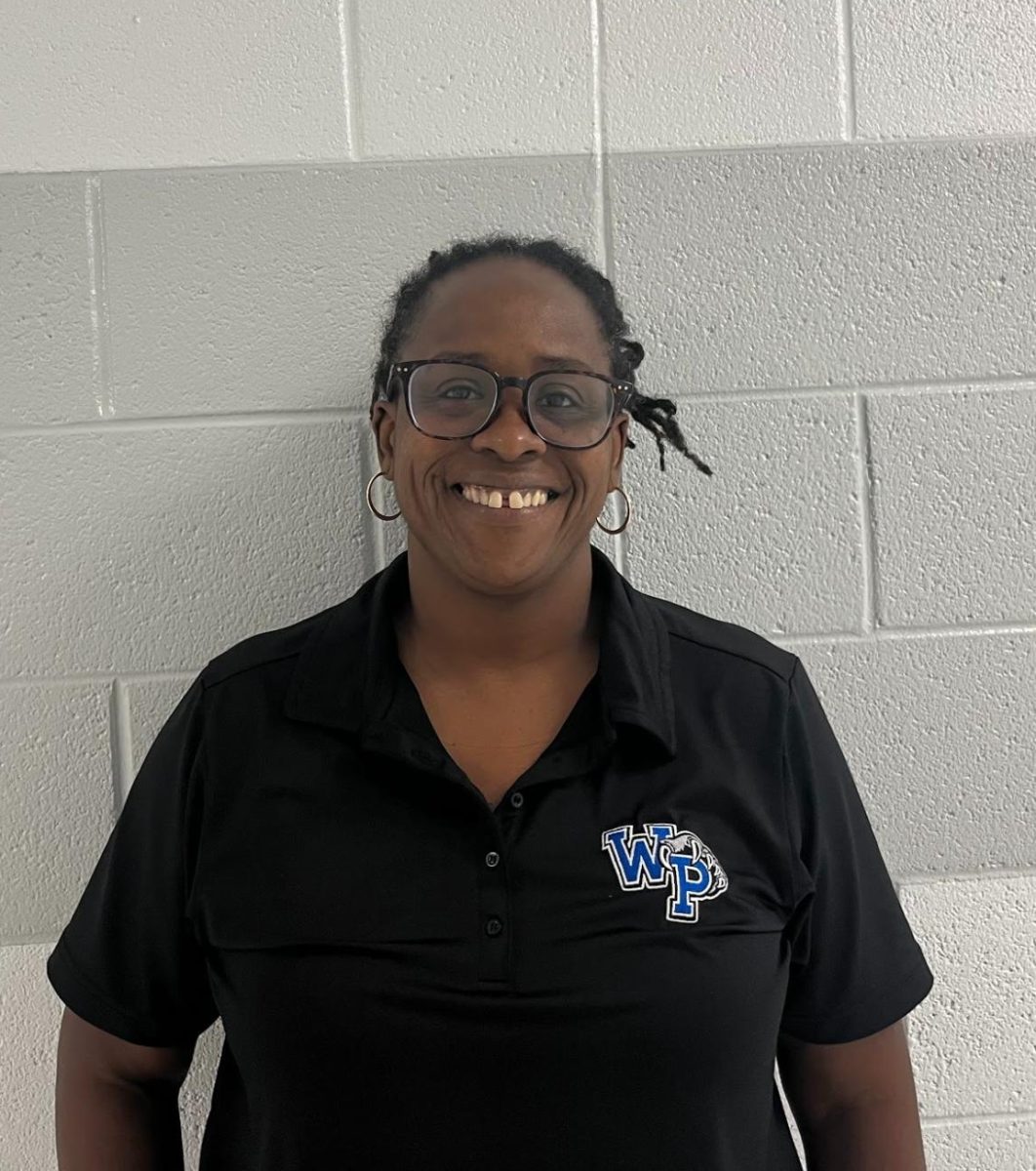
“It is a proposal to the Virginia Department of education to make it a grade next year but given that not all students in a given class have to sit for the SOL so it’s not clear how that would be equitably implemented,” Ms. Rebecca Watt said.
High school students need one verified science credit, and since high school SOLs are the EOC SOLs, you need to pass one of the subject-specific science EOC SOLs. For most people, that would be Biology freshman year. If you do not pass the Biology SOL, nor pass a retake, then the next year you would likely be required to take the Chemistry SOL
“One of the other proposals would be that the SOLs would be given the last two weeks of school so then it’s not clear if you would be allowed to make other potential changes that haven’t been finalized by the state. take because we let the kids use their retake score to earn their verified credit.” Ms. Watt explained.
These new changes can impact a student’s grade and it will now increase the stakes for students to take a single standardized test. It could also penalize students who are absent on the SOL test days.
Many students are already concerned about the potential new SOL policy and how it could affect their grades.
Sophomore Yamaily Garcia said her first reaction was that, “It wasn’t fair because most people either aren’t prepared or don’t remember what they learned since the beginning of the school year.”
Even though she disagrees with the policy, Yamaily believes that students will start taking the SOL’s more seriously.
“I think students will take it seriously because no one wants their grade to go down,” Garcia said.
The policy could also increase stress among students. Garcia explained that “most kids will overly stress about the test since it’ll have a big impact on their grade.”
If she could change the potential new policy, Yamaily said she would want the SOL to count less towards students’ final grades.
“I would change it for the SOL to at least be formative and for it to not have such a big impact on our grades,” she said.
At West Po, approximately 80% were proficient in mathematics and 84% proficient in reading last year.
The proposal to make SOLs count as final grades was originally proposed in 2025 for the 2025-2026 school year, then pushed to the 2026-2027 year, but now, according to the FCPS School Board office, the general assembly will take it up again next year to consider it for 2027-2028 or 2028-2029.
School administrators and teachers don’t know what’s going on, because there have been no plans yet to make this happen and it’s being pushed off.
One concern surrounding the proposal is whether the policy would be fair for all students.
The proposal could also change the way teachers prepare students throughout the school year.
Ms Watt explained that teachers would need to focus on “teaching the things the students will need to know for the test using the SOL framework to guide class activities.”
Even with those concerns, Ms. Watt believes there could be one benefit to the proposal.
“Maybe students would take it more seriously,” she said, explaining that many students currently do not see the importance of SOLs when they first take them in high school.
Ms. Watt also explained that the proposal may affect some students more than others, especially multilingual students.
She said “some science SOLs are very language and vocabulary hard, which could create disadvantages for students who don’t speak English as their first language.”
Some students believe the new SOL proposal could motivate students to work harder in school.
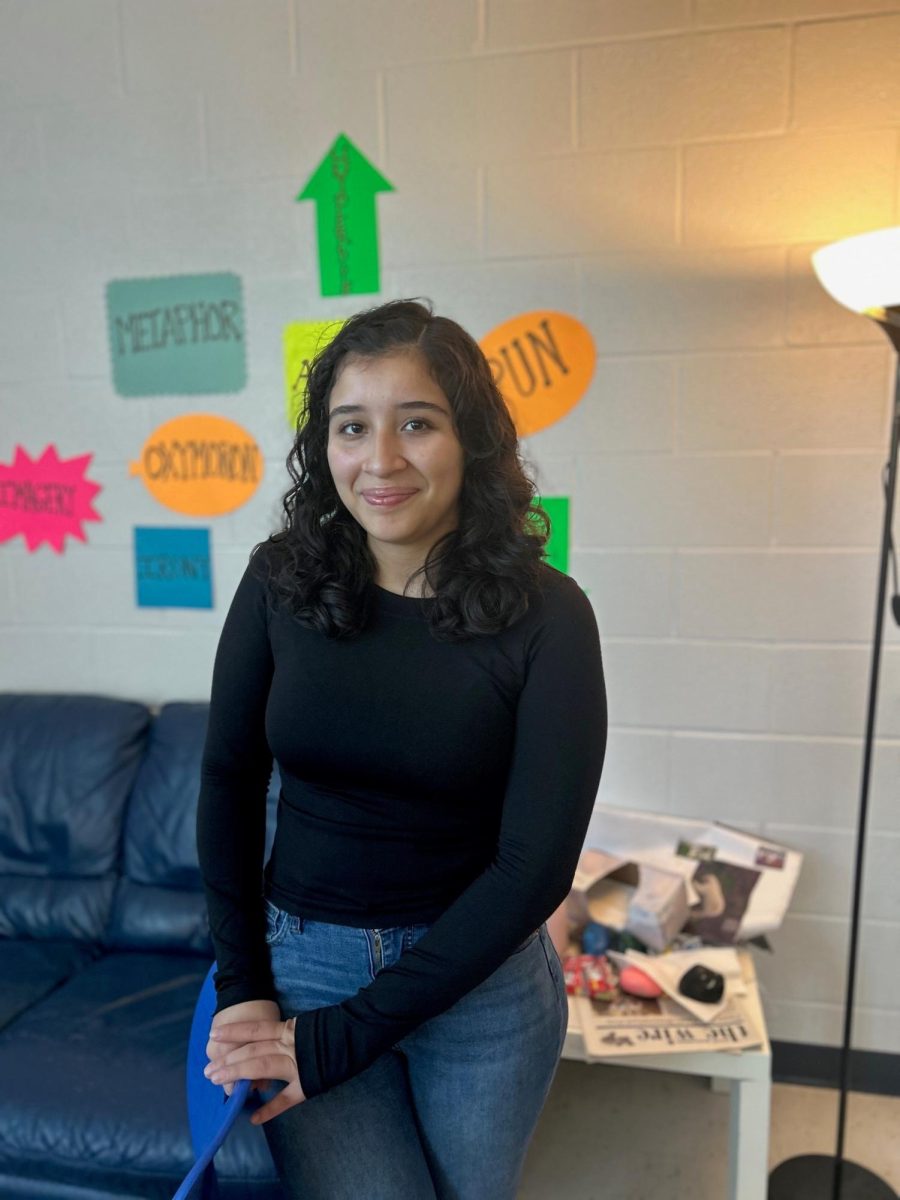
Sophomore, Suri Gomez believes SOLs should have some impact on grades because they reflect how much students understand the subject.
“It’s how well you know the subject and the knowledge of it overall,” Gomez explained.
The proposal may also change the way students prepare throughout the year. Gomez said, “Taking notes and being present in class knowing that you will have a SOL will make students try harder.”
She explained that the policy would personally affect her study habits as well.
“I usually don’t study much and if it affects my overall grade I will have to put in the work and not be lazy,” Gomez said.
Although Gomez sees benefits in the proposal, she still believes the SOL should not heavily affect final grades.“I would change it to not impact their overall grade, but as any normal test,” she said.