



























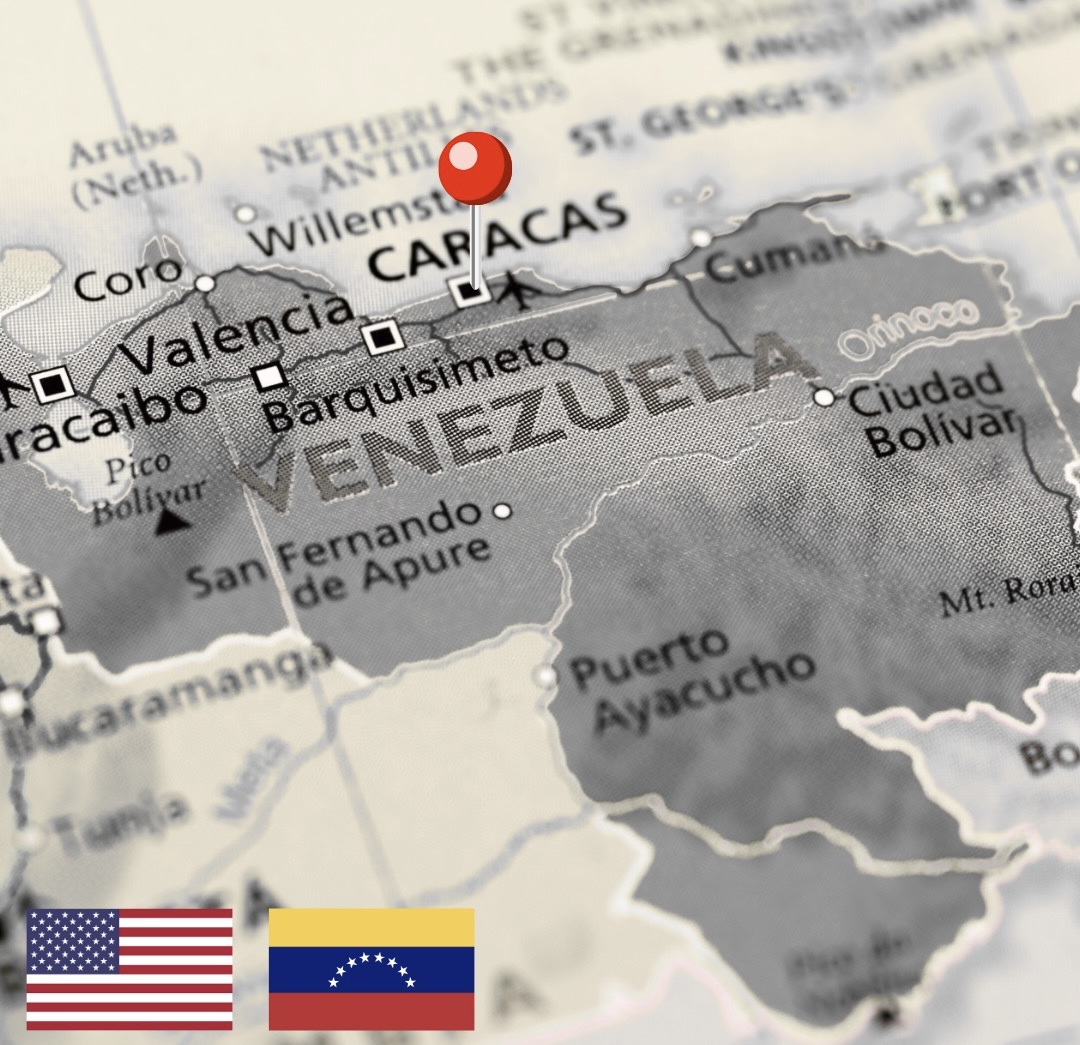
The United States started 2026 with a dramatic escalation of tensions with Venezuela, following months of strikes against Venezuelan boats that led to US military action in the capital, Caracas, and the capture of Venezuelan President Nicolas Maduro.
The confrontation did not begin in January. Throughout late 2025, the Trump administration focused on Venezuela as part of their larger effort against drug trafficking. Beginning in September 2025 with boat strikes off the coast of Venezuela, the administration cited these strikes as necessary to prevent cocaine and fentanyl from reaching the United States. During a press conference, President Donald Trump said “Every boat that we knock out we save 25,000 American lives”, a statement that was later disputed by drug experts.
The administration took further steps to combat drug trafficking in December, with Trump issuing an executive order designated fentanyl as a weapon of mass destruction. The order specifically stated, “Illicit fentanyl is closer to a chemical weapon than a narcotic”. This, alongside the earlier distinction of several Latin American crime organizations including Venezuelan group Tren de Aragua as Foreign Terrorist organizations means the administration has created a legal framework it says justifies expanded use of military force against drug-related threats and harsher penalties for those involved.
Tensions between the two countries escalated sharply on January 3rd, when the United States carried out airstrikes on the country’s capital, Caracas, and captured Maduro and his wife, Cilia Flores. These airstrikes left destruction in Caracas and killed 100 people. Maduro and Flores were detained and flown to the United States, where according to the Trump administration, they will face federal drug trafficking and corruption charges.
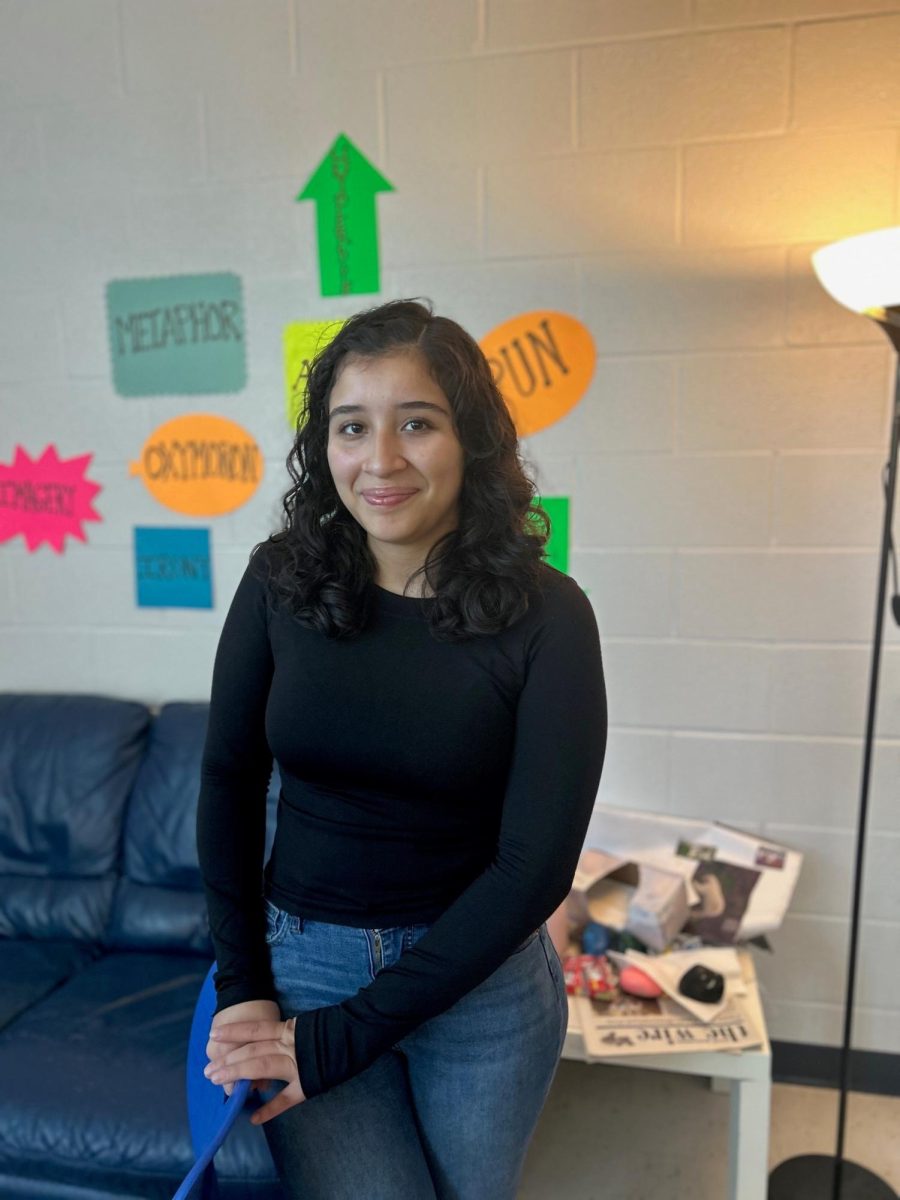
Victoria Fereira, senior, lived in Venezuela for 10 years before moving to the US in 2019 because of the political situation. Fereira learned about the US’s strikes in Venezuela from her family that lives there. “They called us to let us know what was happening when they were getting bombed. […] I have some family members in the capital.”
Fereira had mixed feelings about the US’s actions. “I was scared because a lot of people died, and I feel like it wasn’t really okay that they just bombed a place, but at the same time, it’s been 27 years that we’ve been under a dictatorship, and somebody actually stepped in and did something for a country that nobody has ever done before”
“I cried. I was jumping, screaming, because I couldn’t believe it. We have always been told that they’re gonna do something, and nothing ever happened.”
Junior Juan Cuotto, who lived in Venezuela for 15 years and whose father worked in the country’s oil bureaucracy before being fired for opposing the government, shared having a similarly joyful reaction when he first heard the news. “Well, my mom woke me up at five in the morning, and […] she was really excited. She told me they captured Maduro. Everything is over. We had a party and we got excited.”
Senior Orlando Castillo and Junior Jerry Parra are also from Venezuela. According to Cuotto, Castillo found out after his brother-in-law called him. He felt super happy, because Maduro killed a lot of people, and he felt that he could finally come back to his country. Parra found out through social media. When he heard the news, he felt good because they had taken out the leader of a dictatorship and a government that had been around for 27 years.
Although Fereira, Cuotto, Castillo and Parra were able to celebrate, most people in Venezuela were not able to do the same.
“Most of my family are in Venezuela. Right now they can’t even go out, because, if they celebrate, they can go to jail or they can get shot,” said Cuotto.
Fereira said, “I was really sad because I couldn’t celebrate with my family. But over there, nobody can celebrate either, because they’re arresting people who are doing it.”
She continued on to say, “They kept saying that they’re letting people celebrate. It’s not true. They’re arresting people. […] They’re not letting them do anything.”
The operation immediately raised questions about its legality. The US Constitution gives Congress the authority to declare war, while the War Powers Resolution is a check to the president’s military power without Congress’s authorization. The War Powers Resolution states that the president must inform Congress within 48 hours of deploying US troops, and those forces cannot stay engaged for longer than 60 days without Congress’s approval.
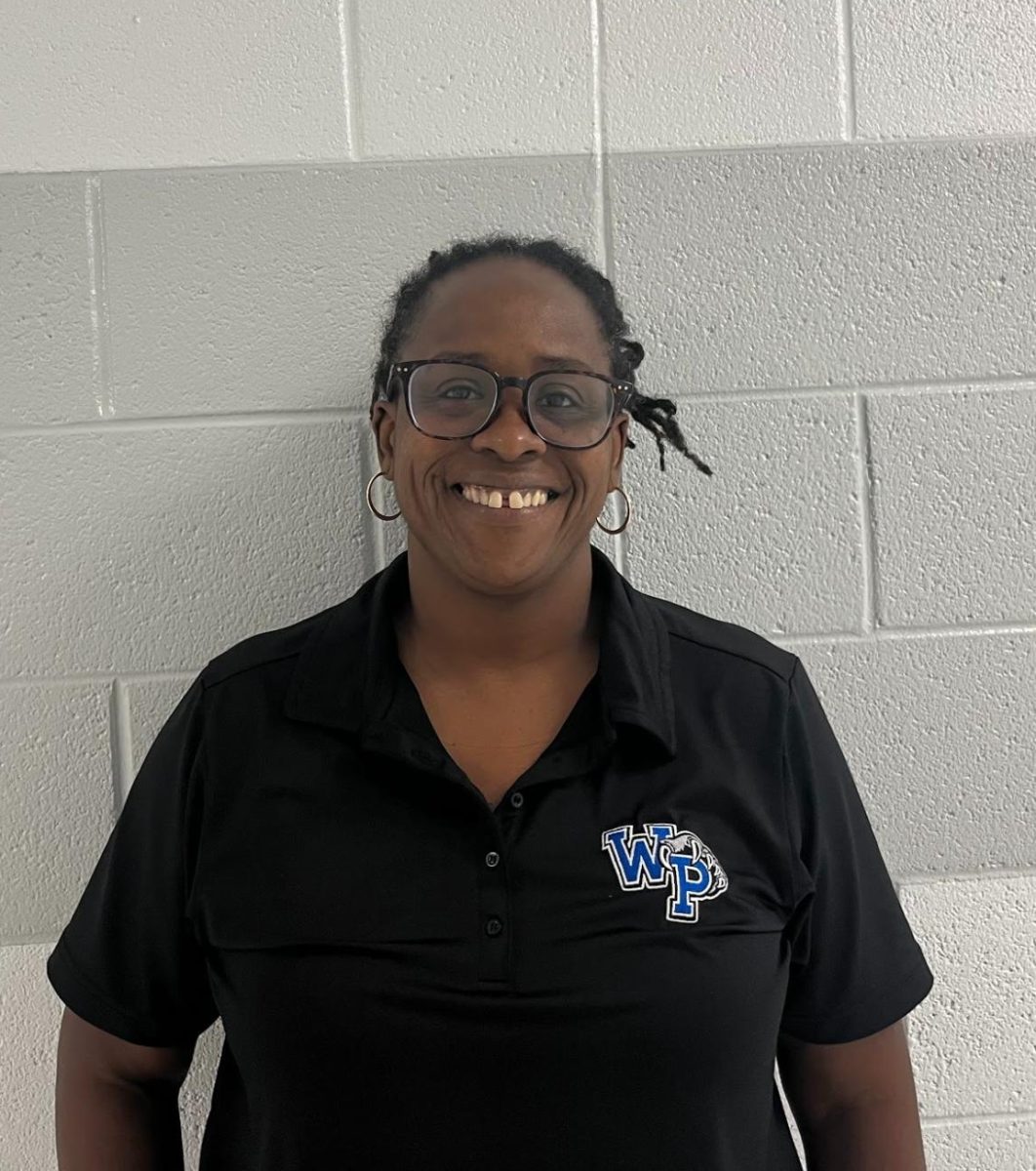
When asked about the legality of President Trump’s actions under these limits on war powers, US History, US Government, and Comparative Government teacher Mr. Daniel Baldwin said, “Well, [these actions] provide a big challenge to it.”
He went on to discuss how Secretary of State, Marco Rubio, responded to claims about the legality of US actions. “Rubio called the War Powers Act unconstitutional, which is problematic, because that’s not his role […], it’s the role of the Supreme Court to interpret the constitutionality of things [..] and if Congress refuses to push back and enforce the War Powers Act, then it’ll be up to the Supreme Court to do so, but I don’t see that happening either.”
Rubio, while addressing concerns about Congress not being notified prior to the operation, said “We called members of Congress immediately after. This was not the kind of mission that you can do congressional notification on”. The attack was justified by the Trump administration as a law enforcement action, not an act of war.
International law experts have also questioned the operation. According to Justia, United Nations Charter Article 2(4) states that “a UN member state cannot threaten or use force against the territorial integrity or political independence of another state, or in any way that diverges from the purposes of the UN.” The only two exceptions are Article 51, which states self-defense as an exception and chapter seven which states response to threats to peace or acts of aggression as another exception. According to experts at the Guardian, neither exception seems to apply in this case.
In the days following the operation, members of Congress from across the aisle voiced their concern over the president’s use of military force in Venezuela. On January 8th, the Senate agreed to debate a war powers resolution. This was decided in a 52 to 47 vote that included five Republicans. If passed, this resolution would require authorization by Congress for any military action against Venezuela.
Despite the administration’s emphasis on drugs as a reason for capturing Maduro, Mr. Baldwin emphasized the inconsistency in their actions. He said, “Just recently, for example, President Trump pardoned the Honduran President Hernandez for even more egregious drug trafficking, and the guy had a cocaine superhighway into America. There was a lot of evidence. He was convicted under US law and was serving in prison, and President Trump pardoned all of that for whatever reason.”
According to the Guardian, the Trump administration has placed increased emphasis on Venezuela’s oil reserves in its explanations for continued US involvement in the country. During a recent press conference, “The US president made little mention of the “war on drugs” […], instead referring to oil more than a dozen times, even when questions made no reference to it”. He went on to discuss how Venezuela had ‘stolen’ oil from the US because of their nationalization of the oil industry, calling it “one of the largest thefts of American property in the history of our country.”
When asked what he believed to be the main motivator, Mr. Baldwin said, “I think it was really about natural resources, personally. That was said many times in the press conference, these references to oil and some of the wealth there […] so I’m sure that’s a big part of the calculus.” He added that he was skeptical that the operation was about drugs and pointed to inconsistencies including President Trump’s pardon of the convicted Honduran president.
However, Cuotto offered a different perspective on the motivations behind US involvement. “I think it’s more like a geopolitical thing, more than oil, like taking out China and Russia from Venezuela. It’s strategic. This is like Trump wanting Greenland, because he wants to reduce the Russian and Chinese influence there. I think the same is happening to Venezuela.”
Mr. Baldwin cautioned others against celebrating the outcome too quickly. “There are lots of people […] who have connections to Venezuela, […] and they’re understandably pretty jubilant about what happened, but I would just be cautious about that, because there’s a long road ahead of us.”
He pointed to the challenges ahead for the Venezuelan people. “The Venezuelan people have to accept whatever form of new government occurs there, and they have to seek justice for all the crimes that happened under Maduro. We’ve seen historically […] when there’s a powerful dictator removed without a real, viable plan to replace that person or that government, there’s a vacuum of power, and things get worse for the citizens who live there. So we have to be cautious.”
Cuotto warned that removing Maduro alone would not guarantee a smooth transition. “Many people say that she [María Corina Machado, Venezuelan politician and leader of the opposition against Maduro] should be the president after they overthrow Maduro. But, I don’t think that’s realistic because the whole regime is still there. You just took out like the figurehead […] the whole military is still Chavista.”
According to Cuotto, Parra sees this US action in Venezuela as potentially bringing better opportunities, and improving the economy of Venezuela. Cuotto also said that Castillo believes that now that Maduro has been captured, there will be a regime change in the government of Venezuela.
Looking ahead, Fereira said she hopes the focus will shift toward a peaceful political transition. She noted that while some opposition figures have been released, many remain detained, which makes it difficult for Venezuela to move toward a new stable government.
“What they [many Venezuelans] are waiting for is a safe transition. […] The people who actually won the elections are the ones that are supposed to be in charge right now. But in order to do that, they have to release the politicians who are arrested right now. […] It’s a process.”
Reflecting on the situation in Venezuela, Fereira said, “I just feel like everybody should pray for Venezuela. Hopefully we’ll be out soon, and we can celebrate, and go back to our country, and be free.”
Statements by Orlando Castillo and Jerry Parra were translated from Spanish to English by Juan Cuotto.
Eleazar Cuotto • Feb 13, 2026 at 8:33 AM
Alguien tuvo la eminente decisión de hacer algo y ese alguien es el presidente Trump y su administración ,por que si no Maduro y sus séquito seguirían haciendo de las suyas.muchas organizaciones internacionales con sus dimes y diretes nunca llegaron a algo concreto contra el regimen.solo debemos esperar a que todo vaya fluyendo en beneficios de los venezolanos y del área del caribe y que estos Regímenes vayan desapareciendo para la prosperidad de sus pueblos. Y que tomemos conciencia a la hora de votar y no caer en esta situación que acarrea muchos problemas.