

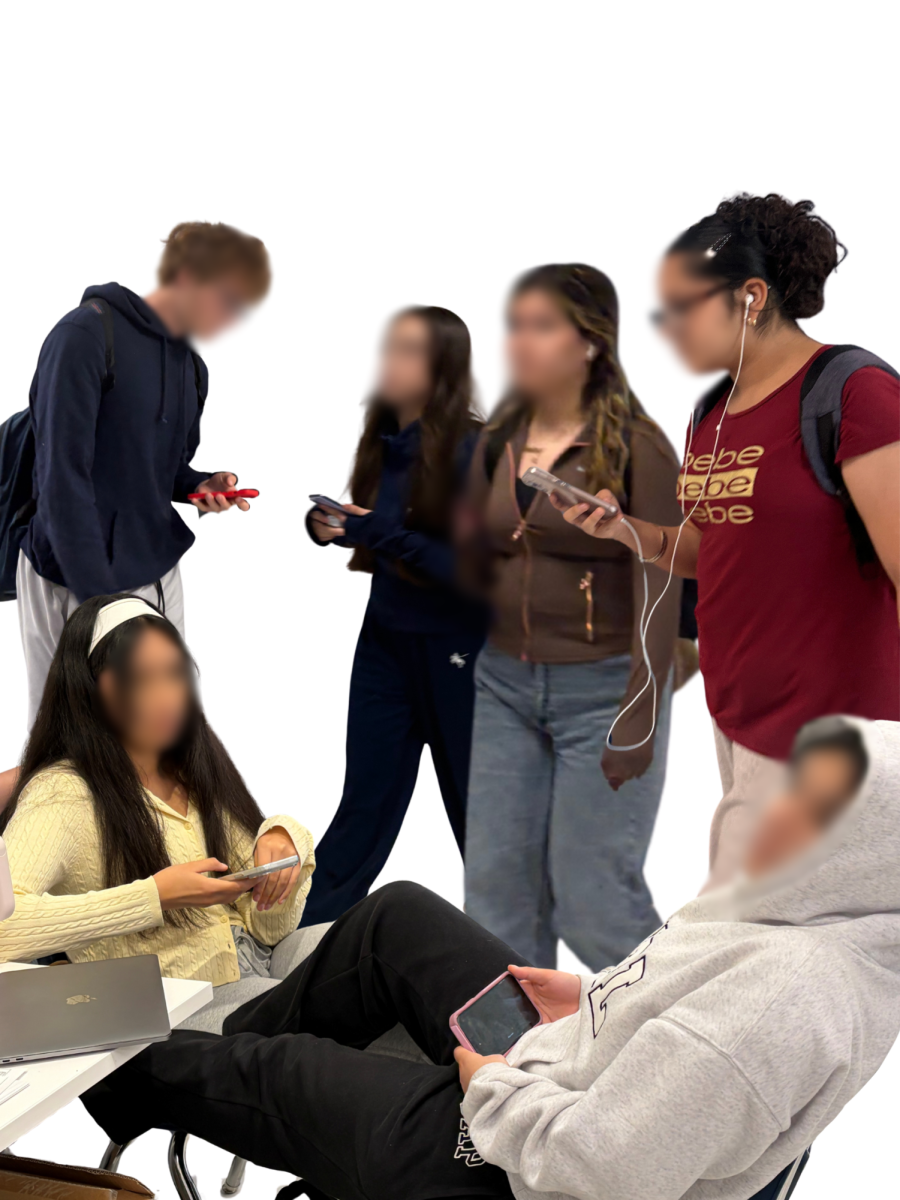

























For many people following the crisis in Venezuela, the first updates don’t come from an online news outlet or a print paper. Instead, they come from social media. As users scroll through their TikTok, Instagram, or X feeds, they encounter dramatic claims and emotionally charged content. At the same time, many of these posts include images and videos that are difficult to verify.
In recent years, social media platforms have taken over traditional news outlets as a primary source of news for young people. According to the American Press Institute, 71 percent of Gen Z and Millennials get their news from social media daily, and 91 percent do so at least weekly. During rapidly developing global events like the crisis in Venezuela, the appeal of social media to young people is clear. While traditional media struggles to keep up with the fast-changing situation, updates to social media are accessible and constantly refreshed. However, the convenience of getting news from social media also comes with a cost: reliability and accuracy.
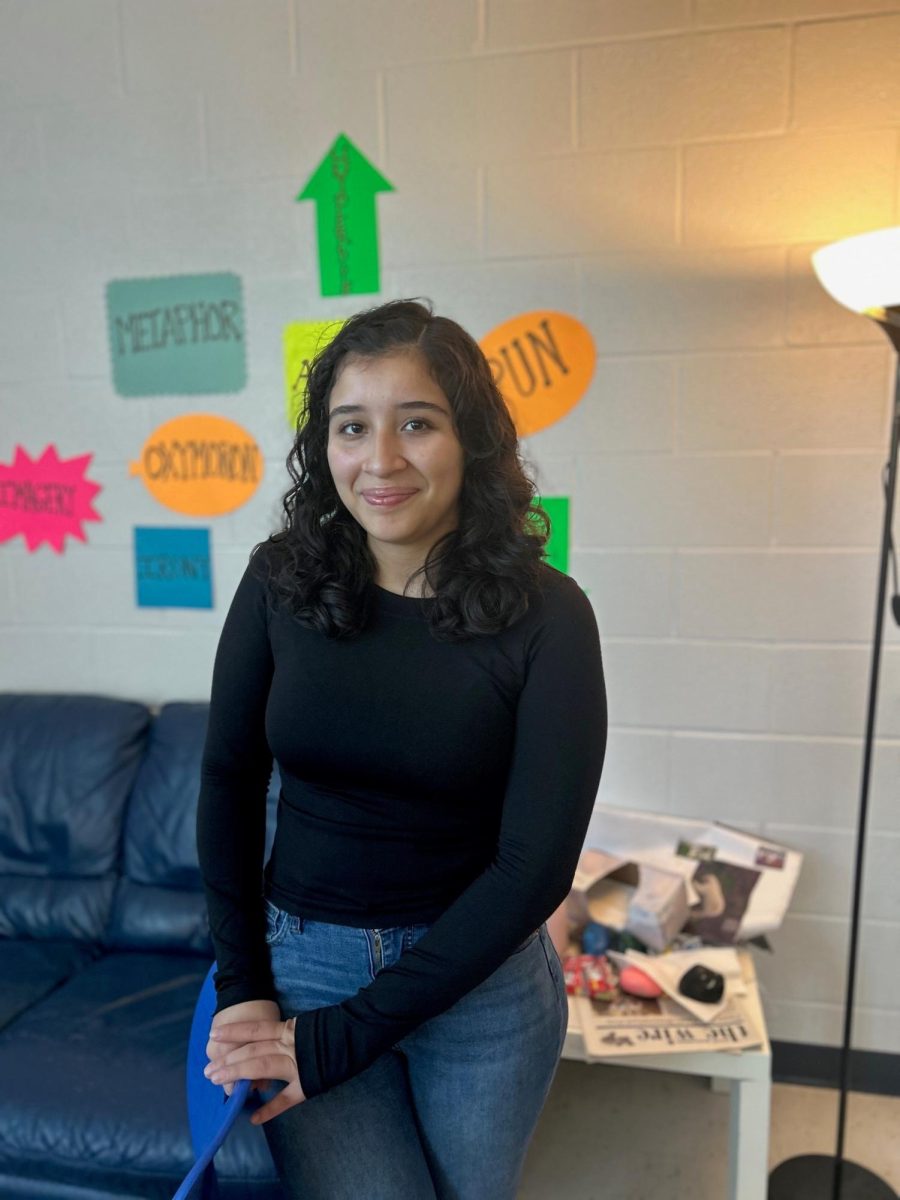
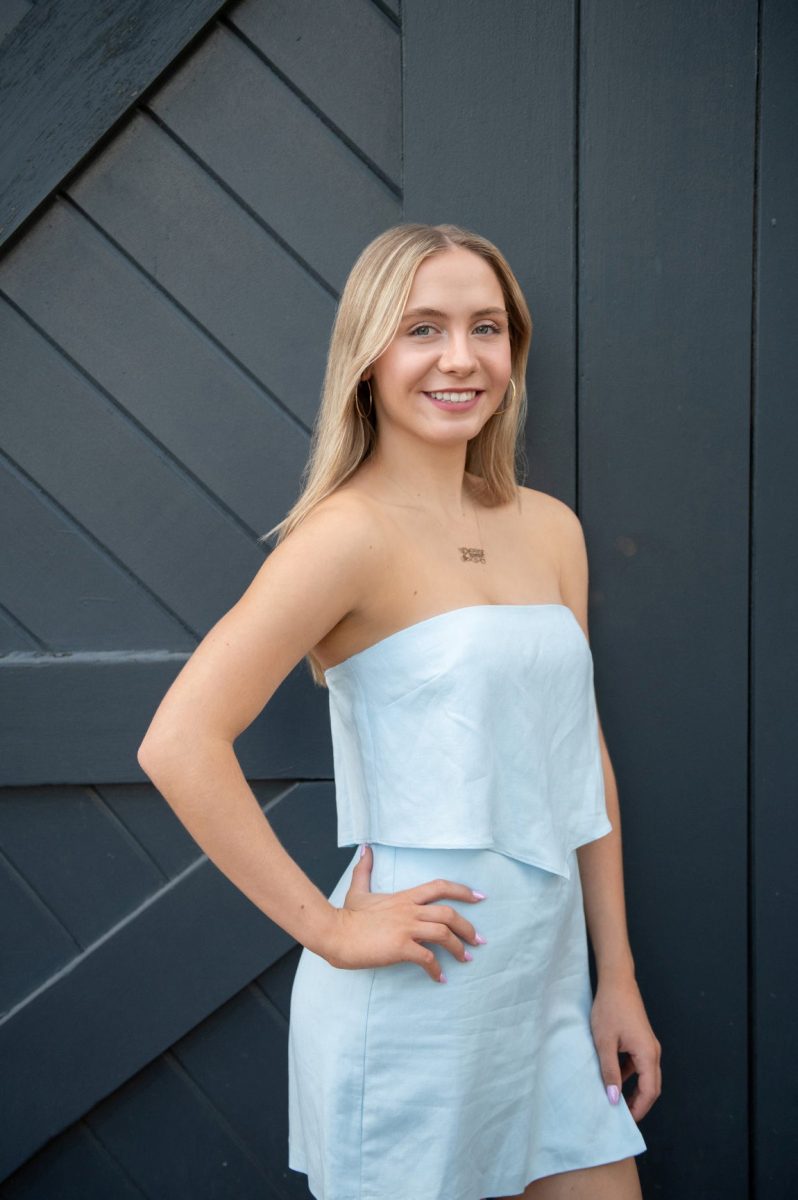
When asked where she gets her news from, Natalie Winkler, senior said she looks to a variety of sources. “I get most of my news from social media, and I occasionally get it from traditional news sources like the New York Times, BBC, things like that.”
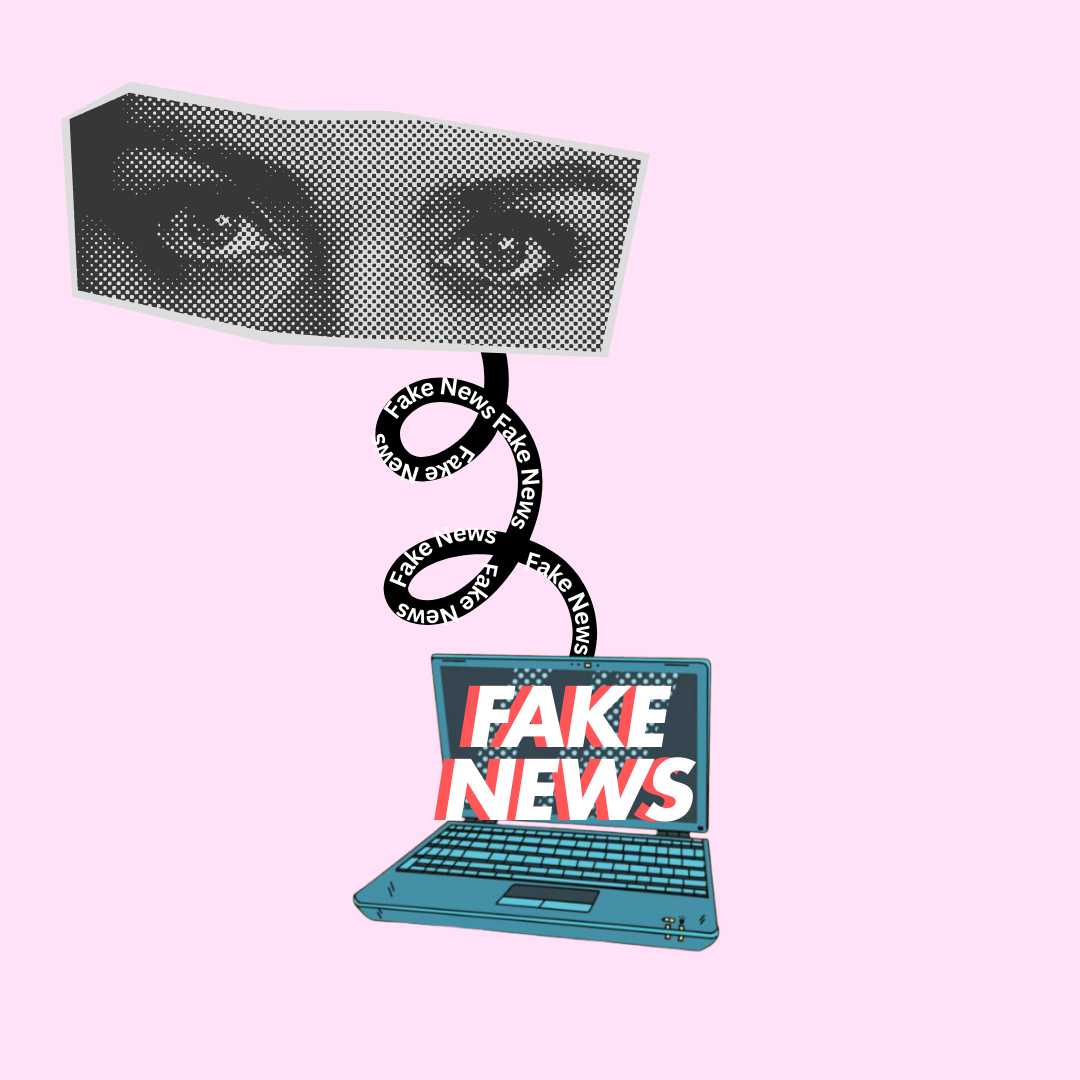
As traditional media organizations work to verify information before it is published, social media content travels faster than fact-checking can keep up with. This has made social media platforms central to how the crisis in Venezuela is portrayed, but it has also blurred the line between verified reporting and speculation, or even fully fabricated content. Information spreads quickly, regardless of whether it has been verified, which allows false or misleading posts to reach large audiences.
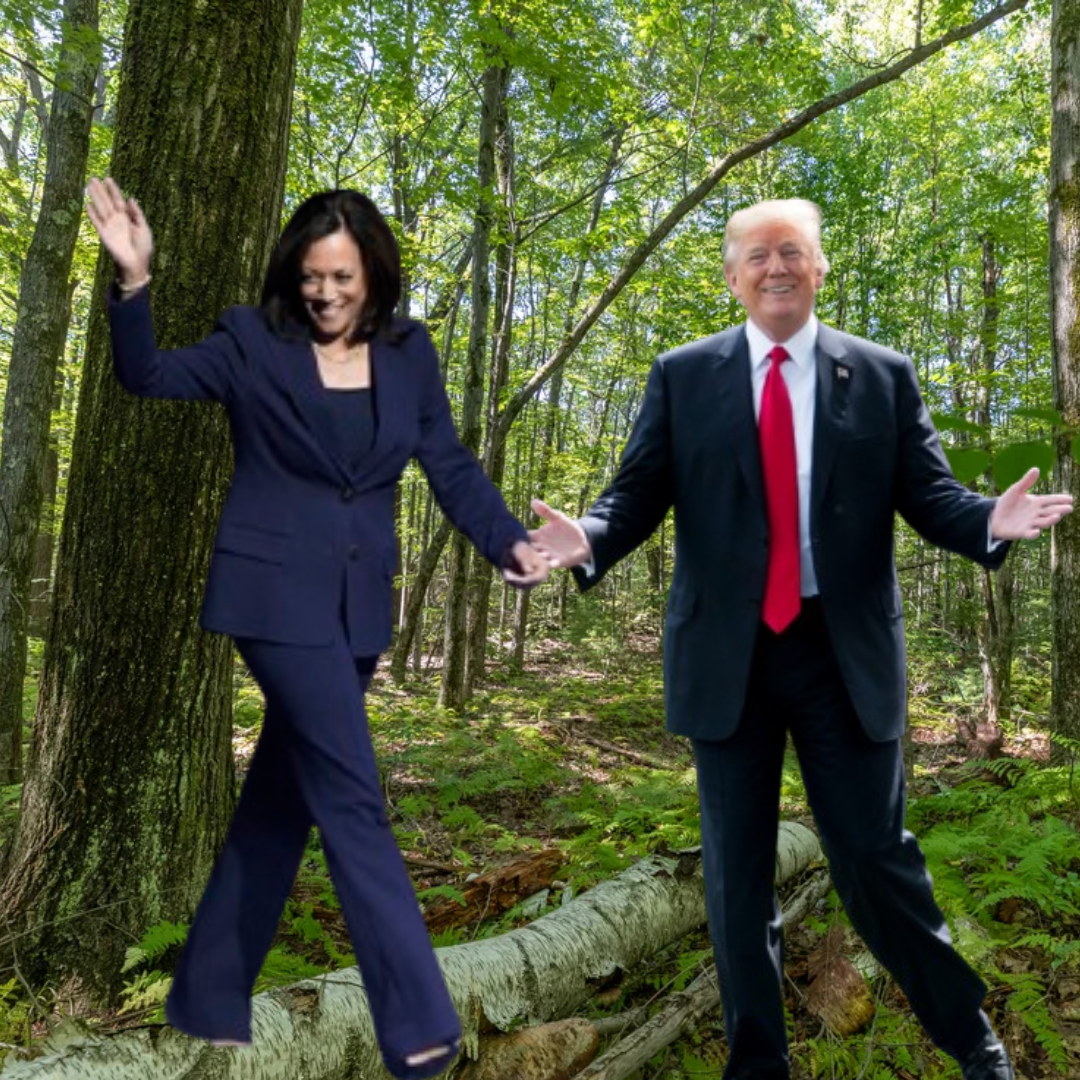
Social media platforms may claim to limit misinformation, but at their core, they are profit-driven businesses. Their algorithms are designed to promote the content that will bring the most clicks and shares, not necessarily what is true. As a result, some of the most viral posts about Venezuela have been false. Viral videos showing Venezuelans kneeling and thanking President Trump, images of President Nicolás Maduro’s arrest and clips of missiles coming down on Caracas circulated widely online. These posts were later revealed to be AI-generated.
Senior Victoria Fereira has seen some of these false claims on social media. “I saw that apparently they bombed Hugo Chavez, […] where his graveyard was, but they never did. That’s false.”
Winkler said, “I don’t really trust things I see on social media. Because I think social media is a very biased place, and has an algorithm it’s going to show me kind of the perspective that I agree with. It doesn’t tell me the entire story.”
Social media also intensifies polarization by creating echo chambers that promote content to reinforce users’ beliefs. Algorithms are designed to promote material similar to content users have already interacted with. This means that people are repeatedly exposed to perspectives similar to theirs, while opposing viewpoints are less likely to appear. In the case of Venezuela, this has led to divided narratives. Some see posts framing the situation as a moment of celebration, while others see it as an overreach of foreign intervention that could lead to instability. Over time, repeated exposure to one version of events can create a sense of certainty, even if it is built on incomplete or misleading information. As users become more sure that what they are seeing is true, they become less likely to seek out different points of view and question information.
When asked if he thinks social media is shaping the way students see global issues, US History, US Government, and Comparative Government teacher Mr. Daniel Baldwin said, “Yeah, I think so. There are a lot of highly charged controversial and emotional political issues. We tend to see it within our own echo chambers, and those who are more right leaning are going to see a very limited scope of information and the same in left wing media.”
Another factor that shapes how people interpret the crisis is the role of drama and sensationalism online. On social media, content that provokes strong emotional reactions tends to get more attention than content that offers an explanation. Dramatic captions and intense visuals are what spread quickly on social media apps. Posts that spark outrage or even hope spread far faster than posts that offer nuance.
Mr. Baldwin thinks that media literacy is an important part of understanding global events. “I would just encourage people to do a lot of fact checking and a lot of lateral reading and to try to diversify their sources of information so they can make the best judgment.”
Winkler warned others against relying solely on social media for news. “I think it’s ignorant to think that you can get all the news from social media and get the entire picture. It’s important to seek out trustworthy sources and to hear from different perspectives.”