






















































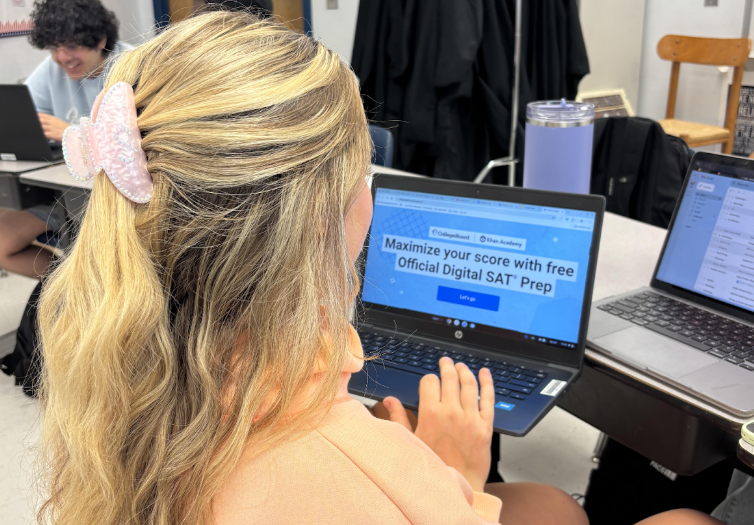
With several SAT test dates approaching, including Jun. 6, Aug. 22, Sept. 12, Oct. 3, Nov. 7 and Dec. 5, students at West Po are preparing in very different ways to ace the test, all depending on their schedules, study habits and grade level.
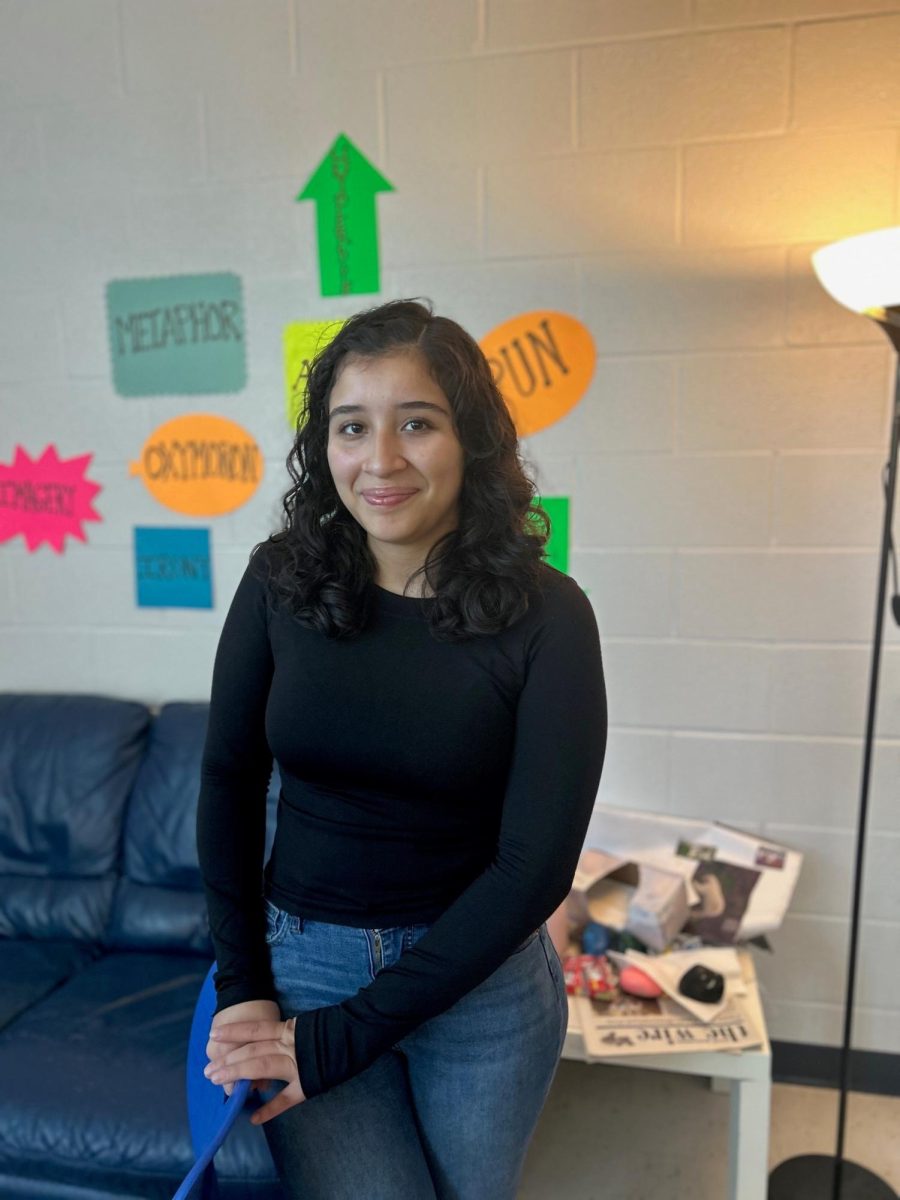
For some students, preparation starts early and follows a clear plan. Georgia Cartwright, a junior, began studying the summer before sophomore year after finishing the math courses covered on the test, giving herself more time to prepare without the pressure of school.
“I wanted to get a head start because I knew once school started getting busy again with harder classes and activities, I wouldn’t really have the same amount of time to focus on the SAT,” Cartwright said. “Starting in the summer helped me ease into it [studying] so I didn’t feel like I was rushing everything later on.”
She focused on one on one tutoring and studying during the summer, which helped her stay organized and work through specific areas she struggled with. That structure made the process feel more manageable, especially early on.
“I think having tutoring helped me a lot because it wasn’t just random studying,” she said. “It actually helped me focus on what I needed instead of just trying to study everything at once.”
However, like many juniors, balancing SAT prep with classes and activities became more difficult over time, and she found it hard to stay consistent once her schedule got busier.
“I definitely think the hardest part was keeping up with it [studying] during the school year,” Cartwright said. “Once junior year really picked up, it became harder to stay consistent even if I started off strong.”
Other students take a more flexible approach. Campion Waldock, a junior, said he prepared mainly by doing practice problems and reviewing material in his free time, rather than following a strict study plan.
“I didn’t really have a set schedule or anything,” Waldock said. “Most of the time I would just do practice problems when I had free time or review stuff I already learned in class, just to stay familiar with it.”
For Waldock, the biggest challenge wasn’t the content itself, but the mental endurance required during the exam.
“The most challenging part of the SAT was staying focused during the test,” he said. “It’s such a long test, and even if you know the material, it’s easy to lose focus or get tired halfway through.”
Instead of relying on tutors or prep programs, Waldock said his classroom learning, especially in AP Language and Composition, played a big role in his preparation.
“AP Lang actually helped me a lot more than I expected,” he said. “A lot of the reading and thinking skills from that class carried over, especially for the reading section of the SAT.”
For younger students, the SAT is already becoming a consideration. Reese Myers, a sophomore, said she has started preparing for the SAT early to avoid stress later, using the PSAT as a way to understand what the test will be like.
“I’ve started looking at it a little early just so I don’t feel overwhelmed later on,” Myers said. “Taking the PSAT helped me understand the format and kind of gave me an idea of where I stand right now, even if it’s just a starting point.”
Like many underclassmen, Myers said she feels some pressure to start preparing, especially after hearing from older students about the stress of studying. Still, she believes the test is manageable and is focusing on reviewing past material, particularly in math.
“I’ve definitely heard mixed things from older students,” she said. “Some say it’s really stressful, but others say it’s just about staying consistent and it’s not as bad as people make it seem.”
Across grade levels, West Potomac students are finding that there is no single way to prepare for the SAT, and that different strategies can work depending on the student.
“Don’t stress about it [the SAT] too much,” Cartwright said. “It’s only one piece of your college application, and once you find what works for you, it becomes a lot more manageable.”